 PEARSON PLC ORD 25P PSON.L
 DIAGEO PLC ORD 28 101/108P DGE.L
 RECKITT BENCKISER GROUP PLC ORD RKT.L
 LLOYDS BANKING GROUP PLC ORD 10 LLOY.L
 MELROSE INDUSTRIES PLC ORD GBP0 MRO.L
 FRESNILLO PLC ORD USD0.50 FRES.L
 NATWEST GROUP PLC ORD 107.69P NWG.L
 WEIR GROUP PLC ORD 12.5P WEIR.L
 STANDARD CHARTERED PLC ORD USD0 STAN.L
 ENDEAVOUR MINING PLC ORD USD0.0 EDV.L
 OCADO GROUP PLC ORD 2P OCDO.L
 ANGLO AMERICAN PLC ORD USD0.623 AAL.L
 BAE SYSTEMS PLC ORD 2.5P BA.L
 VODAFONE GROUP PLC ORD USD0.20 VOD.L
 HSBC HOLDINGS PLC ORD $0.50 (UK HSBA.L
 GLENCORE PLC ORD USD0.01 GLEN.L
 UNITE GROUP PLC ORD 25P UTG.L
 CRODA INTERNATIONAL PLC ORD 10. CRDA.L
 KINGFISHER PLC ORD 15 5/7P KGF.L
 TAYLOR WIMPEY PLC ORD 1P TW.L
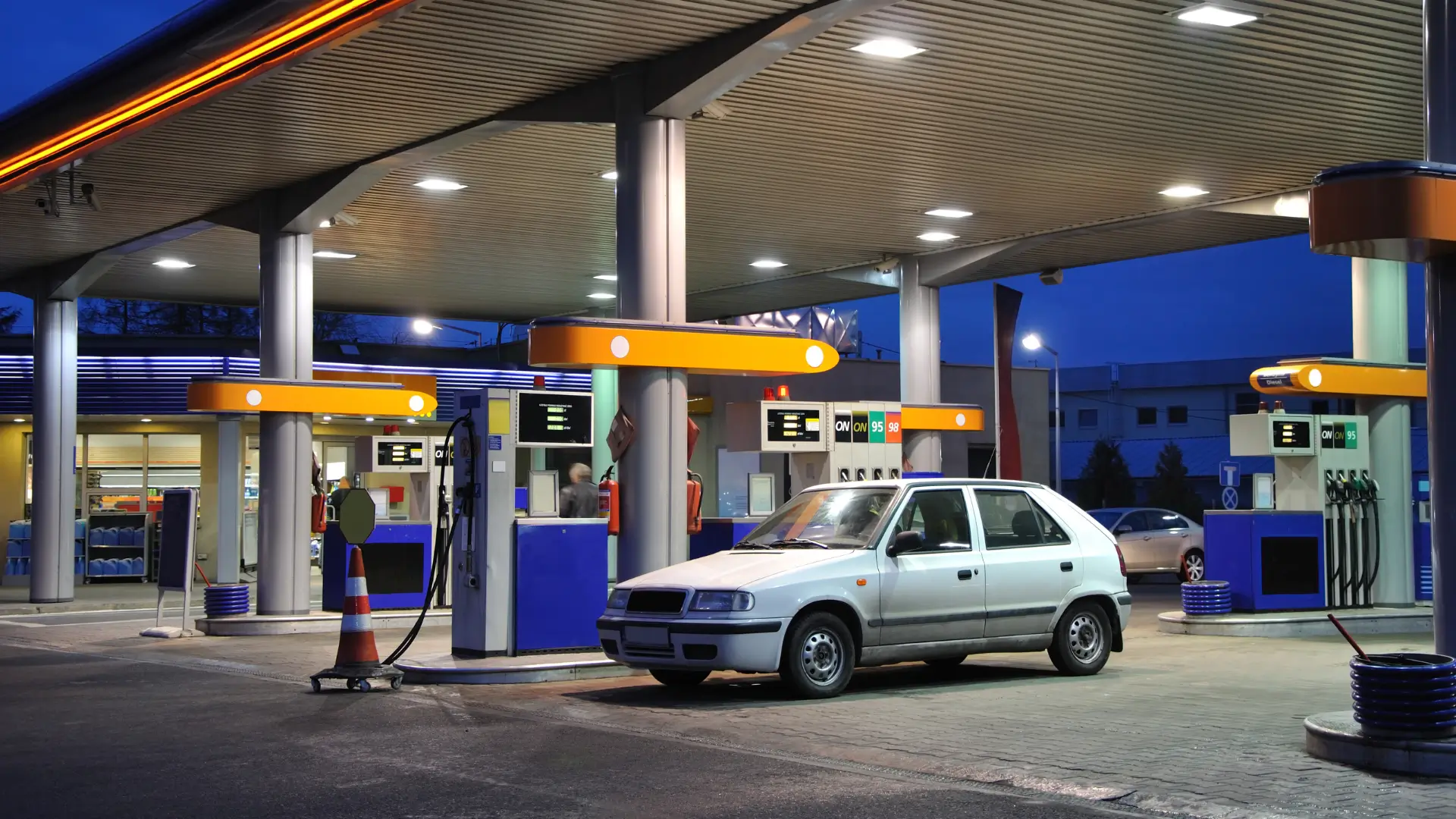
Rapid price swings, supply uncertainties, and shifting trade flows enabled BP to capitalise on arbitrage opportunities across global markets.
The latest quarterly results from British Petroleum (BP) have reignited a long-standing debate at the heart of global energy markets: whether geopolitical crises serve as catalysts for corporate windfalls. In the first quarter of 2026, the London-based energy major reported profits of approximately $3.2 billion, more than double the $1.38 billion recorded a year earlier, comfortably surpassing analyst expectations. What distinguishes this surge is not merely its scale, but its origin-an extraordinary confluence of market volatility triggered by the ongoing Iran conflict.
At the centre of this financial upswing lies the sharp escalation in global crude prices. The war has disrupted critical supply routes, particularly through the Strait of Hormuz, a corridor responsible for roughly a fifth of the world’s oil flows. As tensions intensified, Brent crude prices surged past $100 per barrel, at times nearing $120, creating a fertile trading environment for integrated energy firms. For BP, this translated into what it described as “exceptional oil trading” performance, particularly within its customers and products division, which delivered its strongest results since the 2022 energy shock.
The company’s trading arm, often overshadowed by upstream production, emerged as the principal engine of growth. Unlike conventional oil extraction, trading thrives on volatility, and the Iran war provided precisely that. Rapid price swings, supply uncertainties, and shifting trade flows enabled BP to capitalise on arbitrage opportunities across global markets. Analysts note that such conditions disproportionately benefit firms with sophisticated trading operations, allowing them to hedge risks while extracting value from dislocations in supply chains.
Yet, the broader operational picture remains more nuanced. While trading profits surged, BP’s core oil and gas production units delivered results slightly below expectations, reflecting the disruptive impact of the conflict on physical infrastructure and logistics. Notably, assets in the Middle East, including strategic installations linked to Iraqi production-have faced operational challenges and rising repair costs due to regional instability. This underscores a paradox within the energy sector: geopolitical crises simultaneously inflate market prices and impair production capabilities.
Investor sentiment, however, has remained broadly positive. BP’s shares rose modestly following the announcement, buoyed by confidence in its ability to navigate turbulent markets. The results also mark an early statement of intent from chief executive Meg O’Neill, whose leadership signals a recalibration towards traditional hydrocarbons after a period of strategic emphasis on renewables. This pivot, while commercially rational in the current pricing environment, raises longer-term questions about the company’s alignment with global decarbonisation goals.
Beyond the balance sheet, the political and social ramifications of BP’s profit surge are increasingly pronounced. Campaign groups and policy advocates have been quick to criticise what they perceive as “war-driven profits”, arguing that energy majors are benefiting disproportionately while households grapple with rising fuel and utility costs. In the United Kingdom, where energy bills are projected to approach £2,000 annually, calls for enhanced windfall taxes have regained momentum, echoing similar debates during previous energy crises.
This tension reflects a deeper structural issue within global energy markets. Fossil fuel dependency leaves economies exposed to geopolitical shocks, with price spikes feeding directly into inflation and cost-of-living pressures. At the same time, the profitability of oil majors during such periods reinforces their financial resilience, enabling continued investment in both traditional and transitional energy assets. The result is a complex feedback loop in which crisis-driven profits coexist with systemic vulnerability.
Looking ahead, the sustainability of BP’s current earnings trajectory remains uncertain. While elevated oil prices may persist in the near term, driven by ongoing geopolitical risks, the company itself has cautioned that operational disruptions and repair costs could temper future gains. Moreover, any easing of tensions in the Middle East could rapidly reverse price dynamics, compressing margins for trading divisions that have thrived on volatility.