 PEARSON PLC ORD 25P PSON.L
 DIAGEO PLC ORD 28 101/108P DGE.L
 RECKITT BENCKISER GROUP PLC ORD RKT.L
 LLOYDS BANKING GROUP PLC ORD 10 LLOY.L
 MELROSE INDUSTRIES PLC ORD GBP0 MRO.L
 FRESNILLO PLC ORD USD0.50 FRES.L
 NATWEST GROUP PLC ORD 107.69P NWG.L
 WEIR GROUP PLC ORD 12.5P WEIR.L
 STANDARD CHARTERED PLC ORD USD0 STAN.L
 ENDEAVOUR MINING PLC ORD USD0.0 EDV.L
 OCADO GROUP PLC ORD 2P OCDO.L
 ANGLO AMERICAN PLC ORD USD0.623 AAL.L
 BAE SYSTEMS PLC ORD 2.5P BA.L
 VODAFONE GROUP PLC ORD USD0.20 VOD.L
 HSBC HOLDINGS PLC ORD $0.50 (UK HSBA.L
 GLENCORE PLC ORD USD0.01 GLEN.L
 UNITE GROUP PLC ORD 25P UTG.L
 CRODA INTERNATIONAL PLC ORD 10. CRDA.L
 KINGFISHER PLC ORD 15 5/7P KGF.L
 TAYLOR WIMPEY PLC ORD 1P TW.L
Markets in the Asian region have exhibited mixed trends during the past few weeks, and the China market is not different.
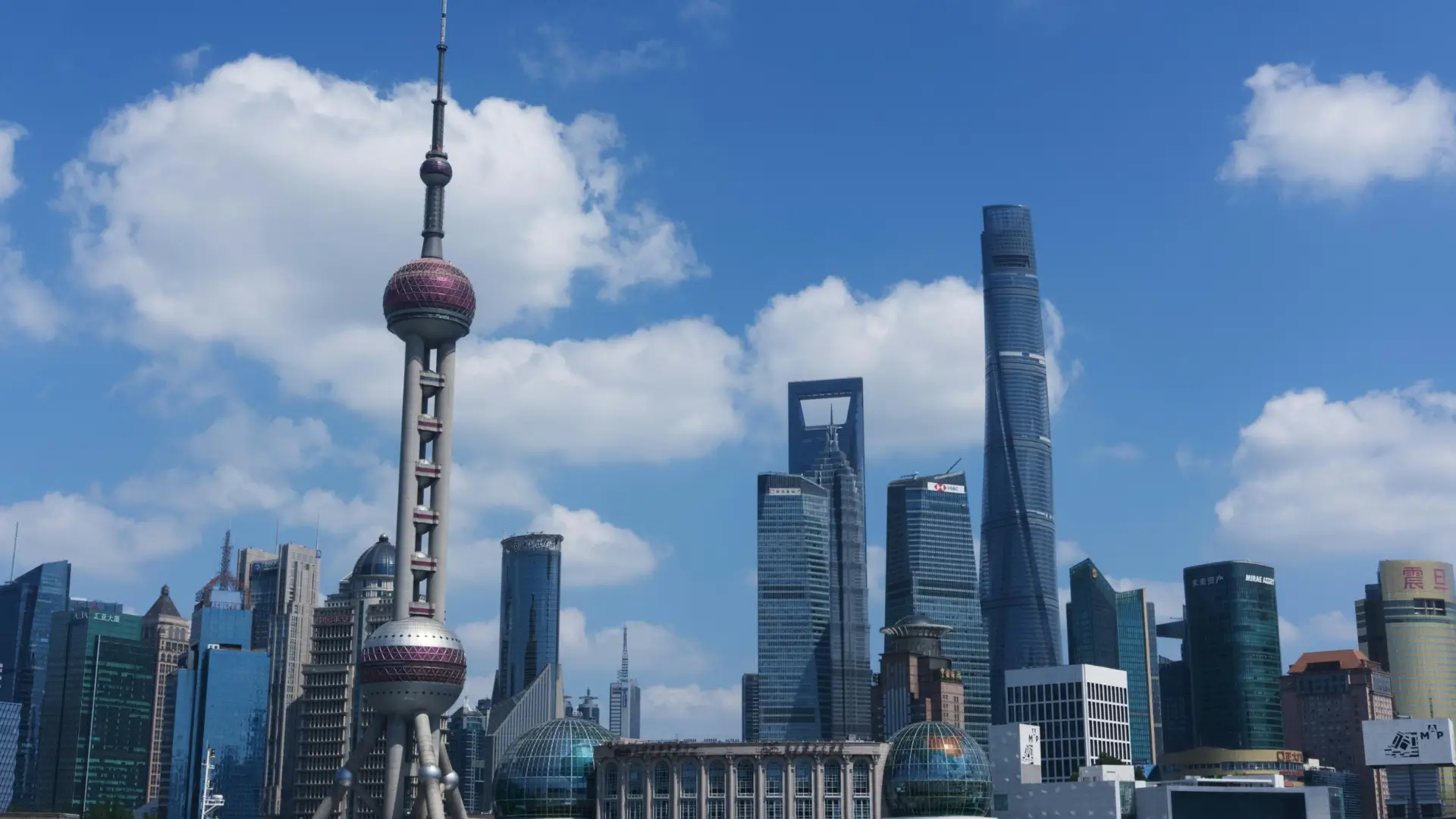
Shanghai, UK – The Shanghai Composite Index managed to close slightly higher on Tuesday as the investor mood remained cautious, balancing domestic economic tidings and global financial sentiment. Amidst the subdued trading environment, the benchmark Shanghai Composite proved resilient and was able to gnaw its way to some gains in a market attuned to policy signals and heavy economic headwinds lately.
Markets in the Asian region have exhibited mixed trends during the past few weeks, and China’s market is not different. The Shanghai market, although ending positively with a slight rise, exhibited a sense of guarded optimism.
This small gain made by the Shanghai Composite indicates that traders tread carefully. Apparently, investors acted cautiously while trading, taking note of macroeconomic figures as well as developments influenced by policymakers. All these factors led the market to close the trading session with only a slight gain.
This slight rise is a part of a larger trend in China, where investors have become choosy, investing only if they feel they are exposed to manageable risk. Trading in risk markets such as stock markets may soften if investor confidence is not firm, as was evident on Wednesday.
The behaviour of the market in the Shanghai stock exchange is currently becoming a target of influences by official comments and policy considerations. For the past few months, the People’s Bank of China and relevant financial bodies in the country have been stressing the stability of the markets, as well as the careful approach in policy formulations.
In fact, it is true that the market participants are finding themselves weighing optimism regarding the support of growth initiatives with concerns regarding the challenges posed by the structure of the economy.
Policymakers are also wading through geopolitical and trade issues that are influencing China’s market psychology. This persistent trade agreement reassessment, combined with fresh outside economic concerns, presents another layer of uncertainty against which traders operationally factor in today.
Despite a tide of conservatism in the market as a whole, individual areas of the Shanghai Composite Index demonstrated relative strength. A degree of support was provided by stocks which were related to finance and consumption.
This selective outperforming trend among major corporations suggests that long-term investors might be showing renewed interest in quality assets with sustainable earnings that can be insulated from short-term risks. Liquidity in these sectors can be more guaranteed during times of market pause.
However, smaller and mid-cap stocks demonstrated relatively low activity, which can be linked to a lack of enthusiasm for higher risks in uncertain short-term scenarios of economic growth. Generally, it can be stated that investors do not wish to participate in markets with uncertain profitability.
Behind this tentativeness in market sentiment, several structural issues are clouding the Chinese economy. These include a persistent slump in certain property markets, as well as deceleration in domestic demand, which have impacted stock earnings growth. These include, but are not limited to, troubles in property stocks, which remain a dampener in market sentiment in China.
Further, consumer spending patterns continue to be ambiguous, as families consider liquidity preferences against investment alternatives. The savings ratios in China appear quite high, which, while providing a stabilization factor, also means that a substantial amount of potential investment funds available in the form of equity has not yet been harnessed.
As a measure, the government has accentuated the importance of incremental changes towards improving the economic fundamentals, while at the same time, the investors are assessing the eventual effects of these policies before investing.
As the year advances, the Shanghai Composite’s performance will continue to hinge on a delicate balance of domestic policy cues, economic data releases, and global risk appetite. Analysts expect that if clear policy support emerges-particularly in areas that stimulate corporate earnings or enhance market liquidity-confidence could strengthen and give the index more upward momentum.