 PEARSON PLC ORD 25P PSON.L
 DIAGEO PLC ORD 28 101/108P DGE.L
 RECKITT BENCKISER GROUP PLC ORD RKT.L
 LLOYDS BANKING GROUP PLC ORD 10 LLOY.L
 MELROSE INDUSTRIES PLC ORD GBP0 MRO.L
 FRESNILLO PLC ORD USD0.50 FRES.L
 NATWEST GROUP PLC ORD 107.69P NWG.L
 WEIR PLC ORD 12.5P WEIR.L
 STANDARD CHARTERED PLC ORD USD0 STAN.L
 ENDEAVOUR MINING PLC ORD USD0.0 EDV.L
 OCADO GROUP PLC ORD 2P OCDO.L
 ANGLO AMERICAN PLC ORD USD0.623 AAL.L
 BAE SYSTEMS PLC ORD 2.5P BA.L
 VODAFONE GROUP PLC ORD USD0.20 VOD.L
 HSBC HOLDINGS PLC ORD $0.50 (UK HSBA.L
 GLENCORE PLC ORD USD0.01 GLEN.L
 UNITE GROUP PLC ORD 25P UTG.L
 CRODA INTERNATIONAL PLC ORD 10. CRDA.L
 KINGFISHER PLC ORD 15 5/7P KGF.L
 TAYLOR WIMPEY PLC ORD 1P TW.L
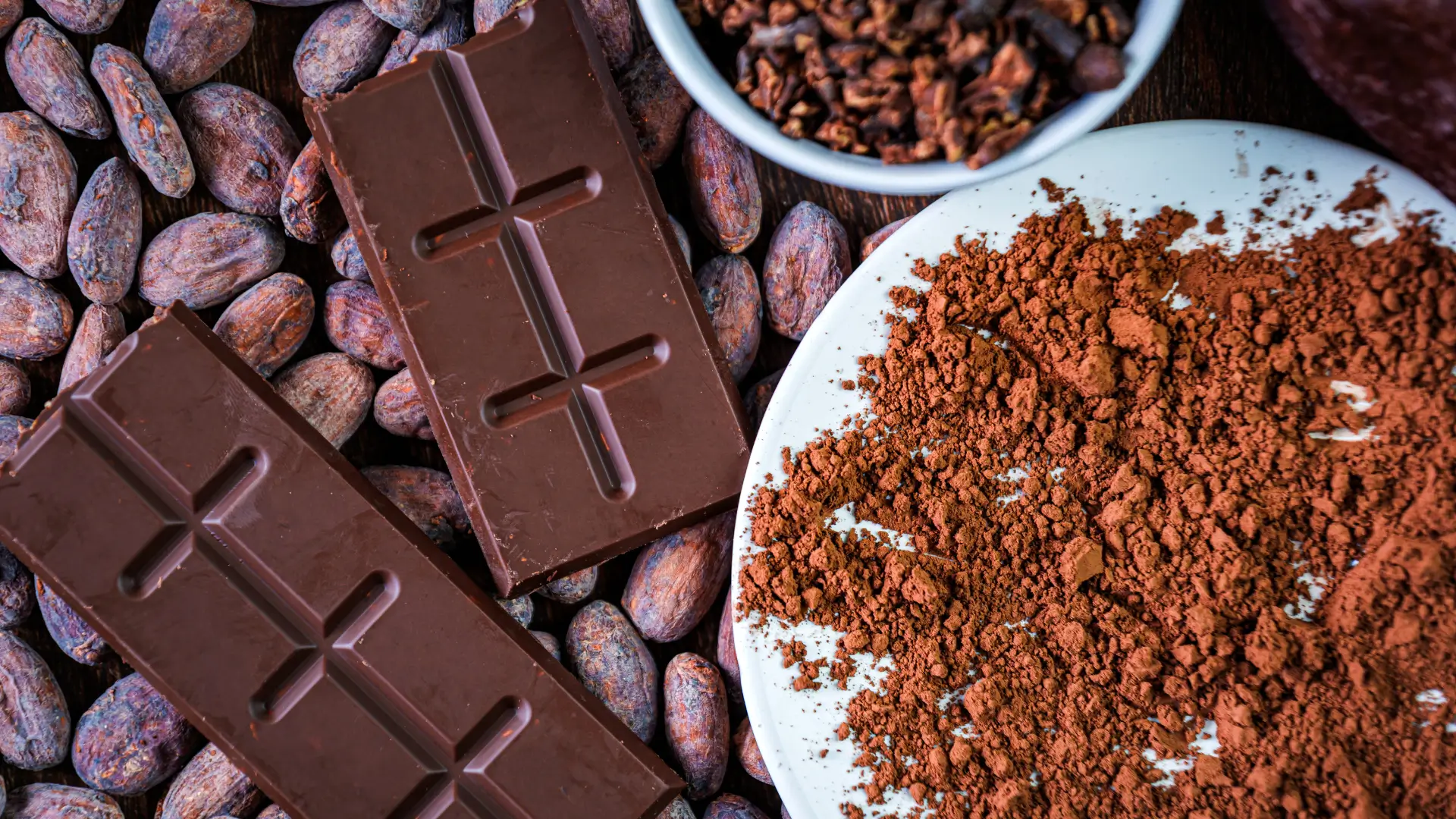
Sugar, milk powder, packaging materials, transport, energy, labour and marketing all contribute to the cost of producing a chocolate bar.
For chocolate lovers, there appears to be a puzzling contradiction unfolding in 2026. Global cocoa prices have retreated significantly from the extraordinary highs reached during the market turmoil of 2024 and 2025, yet supermarket shelves continue to display expensive chocolate bars, Easter treats and premium confectionery. Consumers naturally expect lower commodity prices to translate into cheaper retail products, but the reality is far more complex. The journey from cocoa farm to shop shelf involves long production cycles, forward contracts, manufacturing costs and strategic pricing decisions that prevent immediate savings from reaching customers.
The cocoa market has undoubtedly cooled from its record-breaking rally. After reaching unprecedented levels during the global cocoa crisis, futures prices have fallen considerably as supply concerns eased and demand softened. Although prices remain well above their long-term historical averages, they are substantially lower than the peak levels that forced manufacturers into emergency price increases. Recent market data shows cocoa prices are still far below last year’s highs despite ongoing volatility linked to weather and crop conditions in West Africa.
However, chocolate manufacturers are still working through the financial consequences of those earlier price shocks. Most major confectionery companies purchase cocoa months, and often years, in advance through long-term contracts and hedging strategies. This means many of today’s chocolate products were manufactured using cocoa purchased when prices were significantly higher. Even if commodity markets decline today, retailers and producers cannot instantly replace expensive inventories with cheaper supplies.
The cost of cocoa itself is also only one component of the final retail price. Sugar, milk powder, packaging materials, transport, energy, labour and marketing all contribute to the cost of producing a chocolate bar. Over the past two years, many of these expenses have remained elevated despite easing inflation across several developed economies. Manufacturers therefore continue to face pressure on operating margins even as cocoa becomes less expensive.
Another important factor is corporate pricing strategy. During the cocoa crisis, confectionery businesses introduced substantial retail price increases to protect profitability. Reversing those increases is commercially difficult. Companies are cautious about cutting prices too quickly because cocoa markets remain unpredictable, with weather risks in Cote d’Ivoire and Ghana still threatening future harvests. Climate change, ageing cocoa trees and crop diseases continue to create uncertainty over long-term supply, encouraging businesses to maintain pricing buffers rather than risk another sudden surge in raw material costs.
Recent developments among leading chocolate producers illustrate this balancing act. Swiss chocolatier Lindt has indicated it may selectively reduce prices in certain markets to stimulate consumer demand after repeated price increases slowed sales growth. However, the company has also acknowledged that pricing remains essential to offset previous cost pressures, highlighting how difficult it is for manufacturers to restore affordability while protecting earnings.
Consumer behaviour is also shaping industry decisions. Although chocolate remains a popular affordable luxury, many households have started purchasing smaller packs, choosing supermarket own-brand products or reducing impulse purchases altogether. Manufacturers have responded by adjusting product sizes, increasing promotional activity and introducing recipes containing more nuts, wafers or other ingredients that reduce cocoa usage without dramatically changing the eating experience. Such innovations help manage costs while maintaining retail prices that consumers are willing to accept.
Retail dynamics further delay price reductions. Supermarkets typically negotiate pricing with suppliers several months in advance, meaning wholesale price changes are reflected gradually rather than immediately. Existing inventory must also be sold before retailers introduce products manufactured with lower-cost cocoa. This creates a time lag that can extend across multiple quarters.
Looking ahead, chocolate prices may gradually stabilise if cocoa production continues to recover and supply chains remain resilient. Nevertheless, industry analysts believe the era of exceptionally cheap chocolate may be over. Structural challenges, including climate-related disruptions, sustainability investments and higher farming costs, suggest cocoa prices are unlikely to return to the low levels that characterised the market for decades. Companies are increasingly investing in supply diversification, improved farming practices and even cocoa alternatives to reduce exposure to future market shocks.