 PEARSON PLC ORD 25P PSON.L
 DIAGEO PLC ORD 28 101/108P DGE.L
 RECKITT BENCKISER GROUP PLC ORD RKT.L
 LLOYDS BANKING GROUP PLC ORD 10 LLOY.L
 MELROSE INDUSTRIES PLC ORD GBP0 MRO.L
 FRESNILLO PLC ORD USD0.50 FRES.L
 NATWEST GROUP PLC ORD 107.69P NWG.L
 WEIR PLC ORD 12.5P WEIR.L
 STANDARD CHARTERED PLC ORD USD0 STAN.L
 ENDEAVOUR MINING PLC ORD USD0.0 EDV.L
 OCADO GROUP PLC ORD 2P OCDO.L
 ANGLO AMERICAN PLC ORD USD0.623 AAL.L
 BAE SYSTEMS PLC ORD 2.5P BA.L
 VODAFONE GROUP PLC ORD USD0.20 VOD.L
 HSBC HOLDINGS PLC ORD $0.50 (UK HSBA.L
 GLENCORE PLC ORD USD0.01 GLEN.L
 UNITE GROUP PLC ORD 25P UTG.L
 CRODA INTERNATIONAL PLC ORD 10. CRDA.L
 KINGFISHER PLC ORD 15 5/7P KGF.L
 TAYLOR WIMPEY PLC ORD 1P TW.L
For Dcoop, acquiring Deoleo would represent a major strategic expansion. The Andalusian cooperative is already one of the world’s largest olive oil producers and has a substantial international footprint.
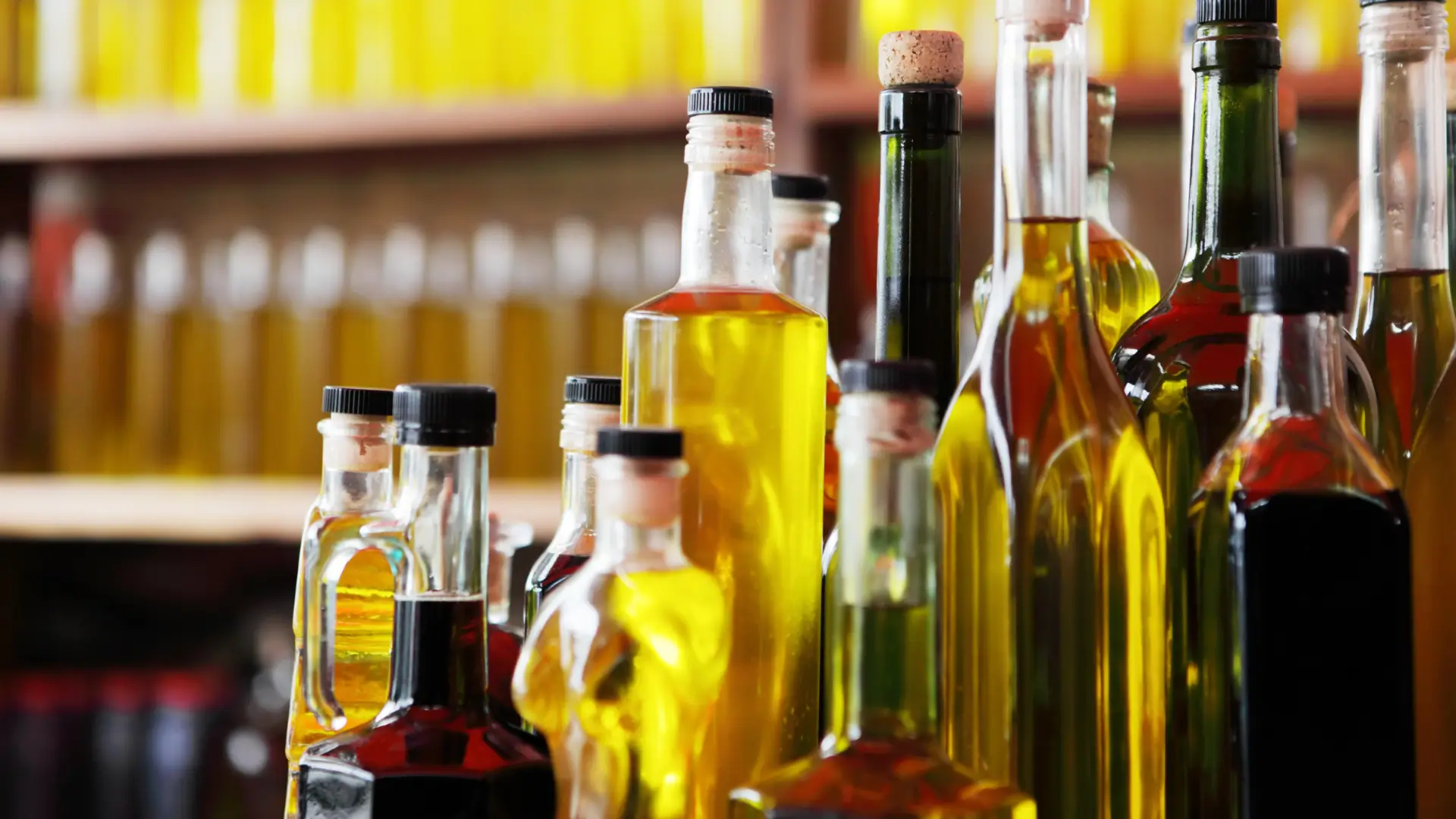
The world’s biggest olive oil bottler has suddenly become one of Europe’s most closely watched takeover targets. Shares in Spain’s Deoleo jumped about 17% on Wednesday after reports that Spanish agricultural cooperative Dcoop had tabled a €470 million (£405 million) offer for the company, putting fresh pressure on a bidding contest already attracting industrial groups from across Europe.
The rally is the latest chapter in an extraordinary turnaround for Deoleo, the owner of internationally recognised brands including Carbonell, Bertolli, Carapelli and Koipe. Once burdened by heavy debt and years of weak profitability, the group has rebuilt its financial position and is now being valued as a strategic consumer brands business rather than a distressed food producer. Dcoop’s reported proposal has moved the Spanish cooperative into pole position in a contest involving Italian groups Coricelli and NewPrinces, France’s Lesieur and other potential financial investors. The competition matters because Deoleo is not simply an olive oil producer. Its value lies in the combination of established brands, international distribution networks and access to important consumer markets.
For Dcoop, acquiring Deoleo would represent a major strategic expansion. The Andalusian cooperative is already one of the world’s largest olive oil producers and has a substantial international footprint. Adding Deoleo’s branded business could give it greater control across the supply chain, from agricultural production to bottling, marketing and retail distribution. The reported €470 million offer also illustrates how dramatically Deoleo’s fortunes have changed. In 2020, the company underwent a major financial restructuring after its debt had reached unsustainable levels. Since then, management has focused on improving margins, strengthening its brands and reducing leverage.
The transformation became particularly visible in 2025. Deoleo reported EBITDA of €50 million, up 50% from the previous year, while net profit reached approximately €20 million. Sales volumes increased by 11%, while the company reduced comparable net financial debt by 26% to roughly €86 million. The recovery has continued into 2026. Deoleo’s first-half figures, published in July, showed EBITDA rising 51.5% to €32.91 million. Net profit reached €19.41 million, although the result was helped by exceptional items, including the repayment of certain US tariffs and the resolution of a Spanish tax dispute. Revenue, meanwhile, declined as lower volumes in Spain and Italy offset stronger performances in several international markets.
That international exposure is central to the takeover story. Deoleo operates across more than 70 countries, with the United States emerging as one of its most strategically important markets. Its brands provide potential buyers with an established route into a premium food category where consumer interest remains strong. The company’s own strategy adds another layer to the attraction. Its EVOO-lution plan for 2025–2028 aims to generate approximately €32 million of additional recurring EBITDA by 2028.
Deoleo has also highlighted India as a strategic growth market, alongside continued expansion in the US and other international territories. The takeover battle therefore reflects more than a race for a famous collection of olive oil brands. It is part of a wider consolidation trend in the European food and agricultural sector, where companies are increasingly seeking scale, stronger distribution and greater control over supply chains.
For Deoleo’s private-equity owners, CVC Capital Partners and Alchemy Partners, the timing is equally significant. The company has moved from financial rehabilitation towards profitable growth, creating a far more attractive opportunity to monetise their investments. Earlier reports indicated that the shareholders were preparing for a sale process, with KPMG and William Blair involved as advisers. Yet the final outcome is far from guaranteed. Buyers must decide whether Deoleo’s improved earnings represent a durable structural recovery or partly reflect favourable olive harvests and more normal commodity prices. They must also consider the competitive dynamics of the global olive oil market and the considerable capital required to continue investing in brands.