 PEARSON PLC ORD 25P PSON.L
 DIAGEO PLC ORD 28 101/108P DGE.L
 RECKITT BENCKISER GROUP PLC ORD RKT.L
 LLOYDS BANKING GROUP PLC ORD 10 LLOY.L
 MELROSE INDUSTRIES PLC ORD GBP0 MRO.L
 FRESNILLO PLC ORD USD0.50 FRES.L
 NATWEST GROUP PLC ORD 107.69P NWG.L
 WEIR GROUP PLC ORD 12.5P WEIR.L
 STANDARD CHARTERED PLC ORD USD0 STAN.L
 ENDEAVOUR MINING PLC ORD USD0.0 EDV.L
 OCADO GROUP PLC ORD 2P OCDO.L
 ANGLO AMERICAN PLC ORD USD0.623 AAL.L
 BAE SYSTEMS PLC ORD 2.5P BA.L
 VODAFONE GROUP PLC ORD USD0.20 VOD.L
 HSBC HOLDINGS PLC ORD $0.50 (UK HSBA.L
 GLENCORE PLC ORD USD0.01 GLEN.L
 UNITE GROUP PLC ORD 25P UTG.L
 CRODA INTERNATIONAL PLC ORD 10. CRDA.L
 KINGFISHER PLC ORD 15 5/7P KGF.L
 TAYLOR WIMPEY PLC ORD 1P TW.L
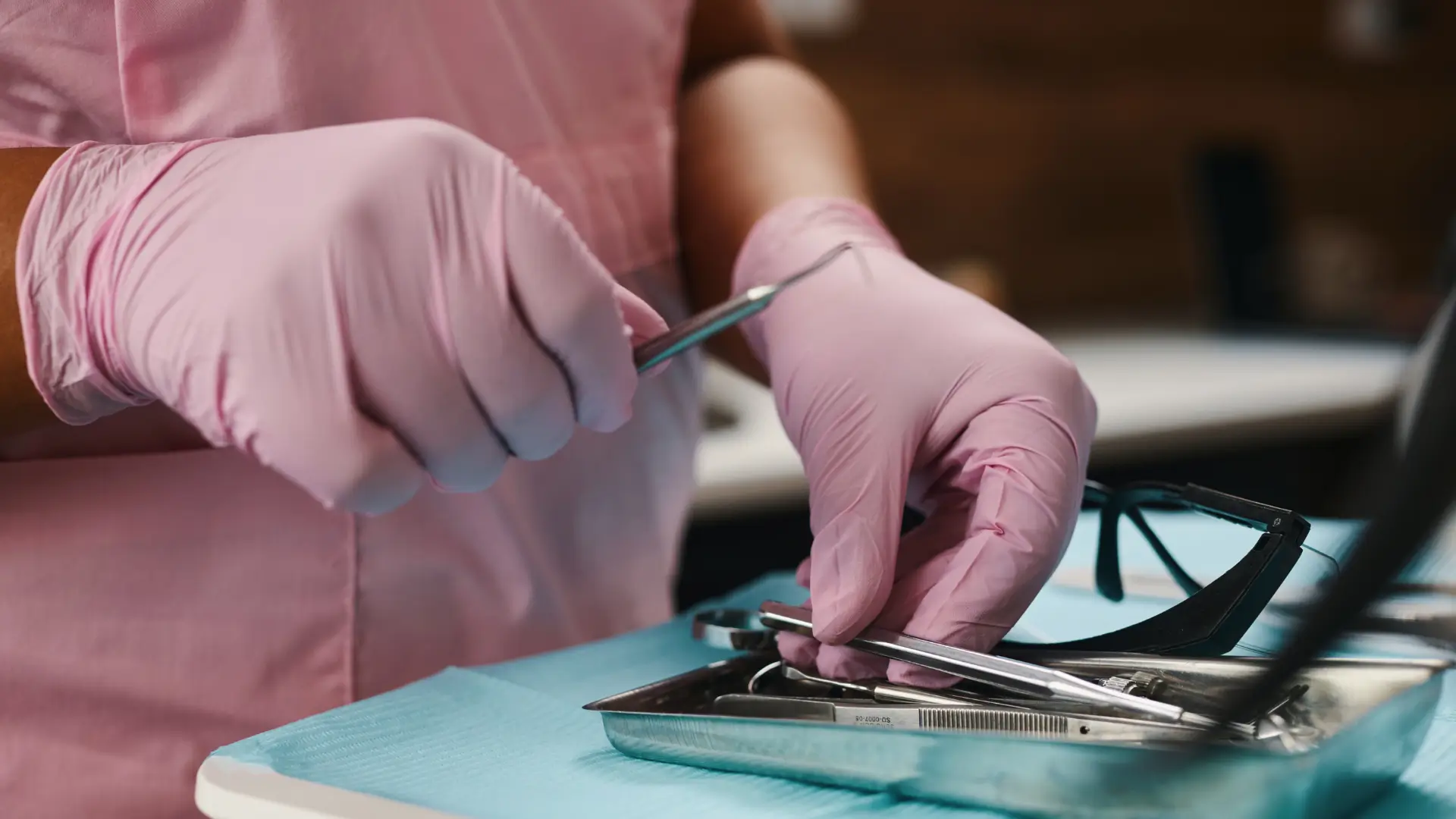
A significant contributor to Johnson & Johnson’s medical devices division is DePuy Synthes, which manufactures hip, knee, and shoulder implants in addition to a variety of surgical tools.
Johnson & Johnson, the US-based healthcare conglomerate, is reportedly considering selling its orthopaedics division, DePuy Synthes, in a deal that could exceed $20 billion (roughly £16 billion at current exchange rates), a development that could completely change the global medical technology landscape. This indicates a strategic realignment by the company as it prioritises growth in higher-margin healthcare sectors and represents a significant change in direction for a business unit long regarded as one of the corporate portfolio’s crown jewels.
A significant contributor to Johnson & Johnson‘s medical devices division is DePuy Synthes, which manufactures hip, knee, and shoulder implants in addition to a variety of surgical tools. The orthopaedics unit’s sales of about $9.3 billion in 2025 demonstrate its scope and ongoing significance in the group’s operations.
In order to unlock shareholder value and concentrate resources on areas with faster growth, J&J had previously indicated that it intended to spin off DePuy Synthes into a stand-alone company within 18 to 24 months. That approach is currently being reassessed, though, and the outright sale of the unit is being given careful thought, according to people with knowledge of the situation.
This possible deal is a reflection of larger opportunities and pressures in the medical technology industry. Compared to industries like cardiovascular devices, surgical robotics, and advanced pharmaceuticals, orthopaedic implants generally show slower growth, despite the fact that they continue to be a sizable and robust sector that meets the needs of an ageing population for joint replacements and other interventions. These high-growth divisions, on the other hand, are more in line with J&J’s long-term strategic priorities, which include cardiovascular care, immunology, and oncology.
The possibility of purchasing DePuy Synthes appeals to both strategic purchasers and private equity firms. Given the longevity of the demand for orthopaedic products and the possibility of operational enhancements under new ownership, a number of sizable buyout companies are reportedly getting ready to organise consortia to pursue a deal. Given the competitive dynamics in the global orthopaedics market, rival medical device companies might also be interested, but any such agreements would probably be subject to strict regulatory scrutiny.
Although J&J has not committed to a final plan of action, the start of preparatory work, assembling financial documentation and holding initial discussions with potential buyers, indicates that the company is sincere in pursuing this avenue. Investors and industry watchers are left to speculate on the timeline and final structure of any deal as company representatives have refrained from making public comments on the details of these negotiations.
However, the move to explore a sale also poses questions about the competitive forces that the orthopaedics division is currently under. DePuy Synthes has been involved in a lot of litigation in the past due to allegedly faulty hip replacement products, a problem that has loomed large over the company.
Tens of thousands of lawsuits were filed in the United States over the company’s ASR hip replacement product, with most of them being settled in the past few years. Such challenges, although settled, may have contributed to the company’s consideration of whether it is better off with the division or selling it to a new owner who is willing to take on both the risks and the future that come with it.
From the viewpoint of investors and market analysts, the news of a possible sale has coincided with consistent performance in the overall market valuation of Johnson & Johnson. The company’s stock has shown consistency in performance, thanks to robust revenue streams from innovative pharmaceuticals and other medtech segments such as cardiovascular and surgical solutions. The sale of a slower-growing business such as orthopaedics could further focus investment in these segments and help improve returns.