 PEARSON PLC ORD 25P PSON.L
 DIAGEO PLC ORD 28 101/108P DGE.L
 RECKITT BENCKISER GROUP PLC ORD RKT.L
 LLOYDS BANKING GROUP PLC ORD 10 LLOY.L
 MELROSE INDUSTRIES PLC ORD GBP0 MRO.L
 FRESNILLO PLC ORD USD0.50 FRES.L
 NATWEST GROUP PLC ORD 107.69P NWG.L
 WEIR GROUP PLC ORD 12.5P WEIR.L
 STANDARD CHARTERED PLC ORD USD0 STAN.L
 ENDEAVOUR MINING PLC ORD USD0.0 EDV.L
 OCADO GROUP PLC ORD 2P OCDO.L
 ANGLO AMERICAN PLC ORD USD0.623 AAL.L
 BAE SYSTEMS PLC ORD 2.5P BA.L
 VODAFONE GROUP PLC ORD USD0.20 VOD.L
 HSBC HOLDINGS PLC ORD $0.50 (UK HSBA.L
 GLENCORE PLC ORD USD0.01 GLEN.L
 UNITE GROUP PLC ORD 25P UTG.L
 CRODA INTERNATIONAL PLC ORD 10. CRDA.L
 KINGFISHER PLC ORD 15 5/7P KGF.L
 TAYLOR WIMPEY PLC ORD 1P TW.L
Unilever investors will remain significantly exposed to the combined food business rather than achieving a decisive divestment.
The proposed $65 billion tie-up between Unilever and McCormick & Company was intended to reshape the global food industry. Instead, it has triggered a notably sceptical response from investors, exposing deeper tensions within the consumer goods sector and raising broader questions about the effectiveness of large-scale mergers in a changing market landscape.
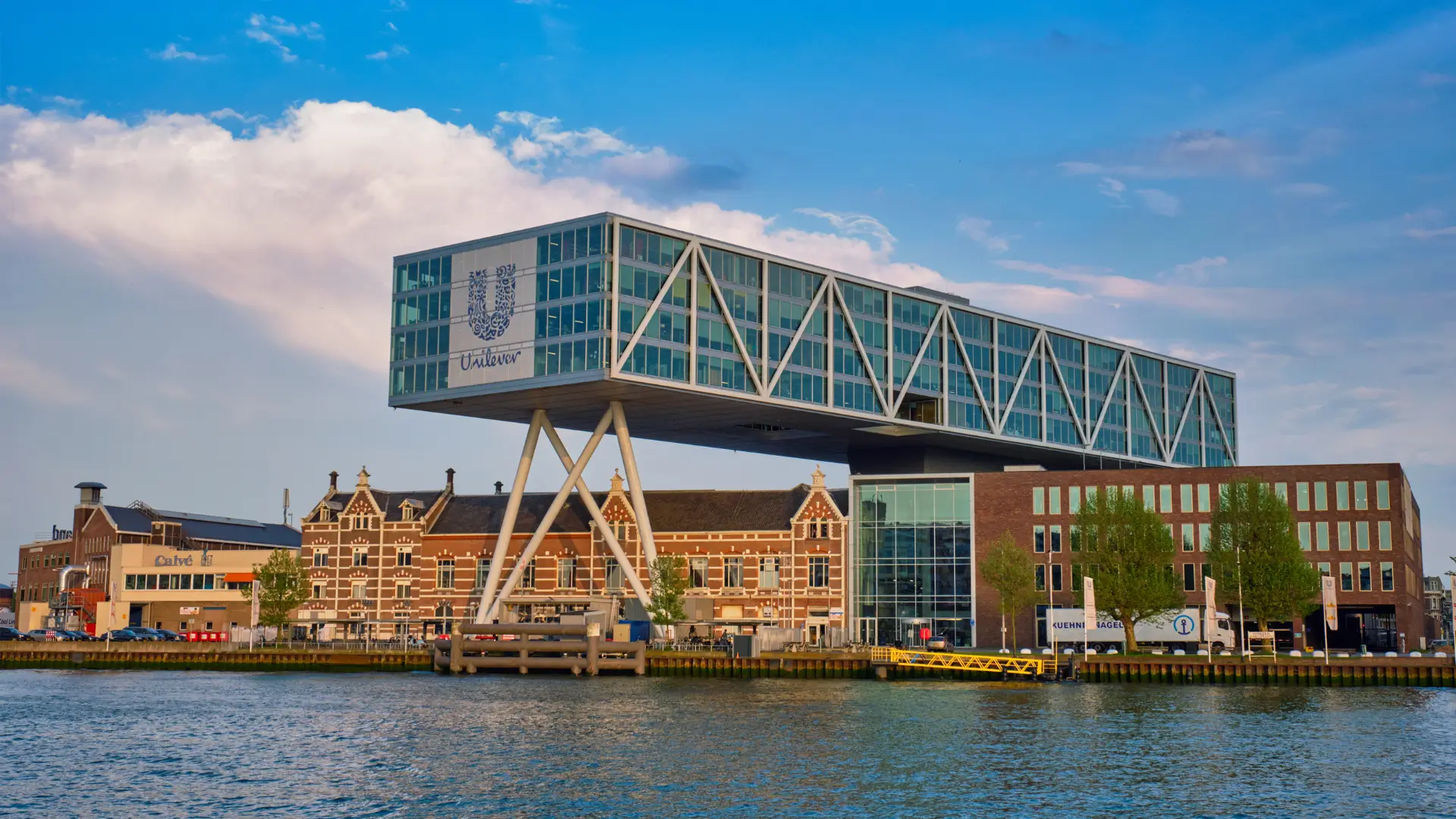
At the heart of the transaction lies a complex structural arrangement. Unilever plans to spin off its food division, home to globally recognised brands such as Hellmann’s and Knorr, and merge it with McCormick through a Reverse Morris Trust, a tax-efficient but intricate deal mechanism. The combined entity would be valued at approximately $65 billion, with Unilever shareholders retaining a controlling stake of roughly 65%.
Despite the scale and ambition of the deal, the immediate market reaction has been distinctly negative. Shares in Unilever fell sharply following the announcement, while McCormick also experienced a decline, reflecting investor unease about both execution risks and strategic clarity. The sell-off underscores a broader concern: investors are increasingly wary of sprawling, transformational mergers that promise long-term value but deliver near-term uncertainty.
One of the principal criticisms centres on the deal’s complexity. The Reverse Morris Trust structure, while tax advantageous, has introduced layers of opacity that many shareholders find difficult to evaluate. Analysts have described the arrangement as “hardly a clean exit,” noting that Unilever investors will remain significantly exposed to the combined food business rather than achieving a decisive divestment. In effect, what was framed as a strategic separation appears, in practice, more akin to a reconfiguration of ownership.
Timing further complicates the narrative. The transaction is not expected to close until mid-2027, leaving a prolonged period during which market conditions, regulatory scrutiny, and operational dynamics may shift considerably. In an era defined by rapid change, particularly within the consumer goods sector, such extended timelines amplify perceived risk.
Beyond structure and timing, there is a more fundamental issue: the evolving nature of the food industry itself. Packaged food companies are facing mounting pressure from health-conscious consumers, the growing popularity of fresh and minimally processed alternatives, and the disruptive impact of private-label competitors. The rise of weight-loss medications and shifting dietary habits has only intensified these challenges, eroding confidence in traditional growth models.
Against this backdrop, sceptics question whether combining two legacy food businesses truly addresses the sector’s structural headwinds. While McCormick’s management has emphasised long-term synergies and scale benefits, history offers limited reassurance. Large mergers within the consumer-packaged goods industry have often struggled to deliver sustained value, particularly when integration proves complex and cost savings fall short of expectations.
Yet the deal is not without its supporters. Some institutional investors argue that the transaction aligns with Unilever’s broader strategic pivot towards higher-growth segments such as beauty, personal care, and wellbeing. By effectively carving out its slower-growing food division, Unilever may sharpen its focus and improve overall valuation multiples. From this perspective, the merger is less about creating a food giant and more about enabling Unilever’s transformation into a more agile, premium-focused enterprise.
For McCormick, the rationale is clearer but no less ambitious. The acquisition significantly expands its global footprint, elevating it from a leading spice manufacturer to a diversified food powerhouse. The combined entity is expected to generate substantial revenues and cost synergies, positioning it as a dominant player in flavour and condiments worldwide. However, this expansion comes with increased leverage and integration risk, factors that have clearly unsettled its investor base.
Regulatory scrutiny represents another layer of uncertainty. Given heightened oversight of large mergers, particularly those affecting consumer prices, the transaction is likely to face detailed examination by authorities such as the U.S. Federal Trade Commission. Any delays or conditions imposed during this process could further complicate execution and dilute anticipated benefits.