 PEARSON PLC ORD 25P PSON.L
 DIAGEO PLC ORD 28 101/108P DGE.L
 RECKITT BENCKISER GROUP PLC ORD RKT.L
 LLOYDS BANKING GROUP PLC ORD 10 LLOY.L
 MELROSE INDUSTRIES PLC ORD GBP0 MRO.L
 FRESNILLO PLC ORD USD0.50 FRES.L
 NATWEST GROUP PLC ORD 107.69P NWG.L
 WEIR GROUP PLC ORD 12.5P WEIR.L
 STANDARD CHARTERED PLC ORD USD0 STAN.L
 ENDEAVOUR MINING PLC ORD USD0.0 EDV.L
 OCADO GROUP PLC ORD 2P OCDO.L
 ANGLO AMERICAN PLC ORD USD0.623 AAL.L
 BAE SYSTEMS PLC ORD 2.5P BA.L
 VODAFONE GROUP PLC ORD USD0.20 VOD.L
 HSBC HOLDINGS PLC ORD $0.50 (UK HSBA.L
 GLENCORE PLC ORD USD0.01 GLEN.L
 UNITE GROUP PLC ORD 25P UTG.L
 CRODA INTERNATIONAL PLC ORD 10. CRDA.L
 KINGFISHER PLC ORD 15 5/7P KGF.L
 TAYLOR WIMPEY PLC ORD 1P TW.L
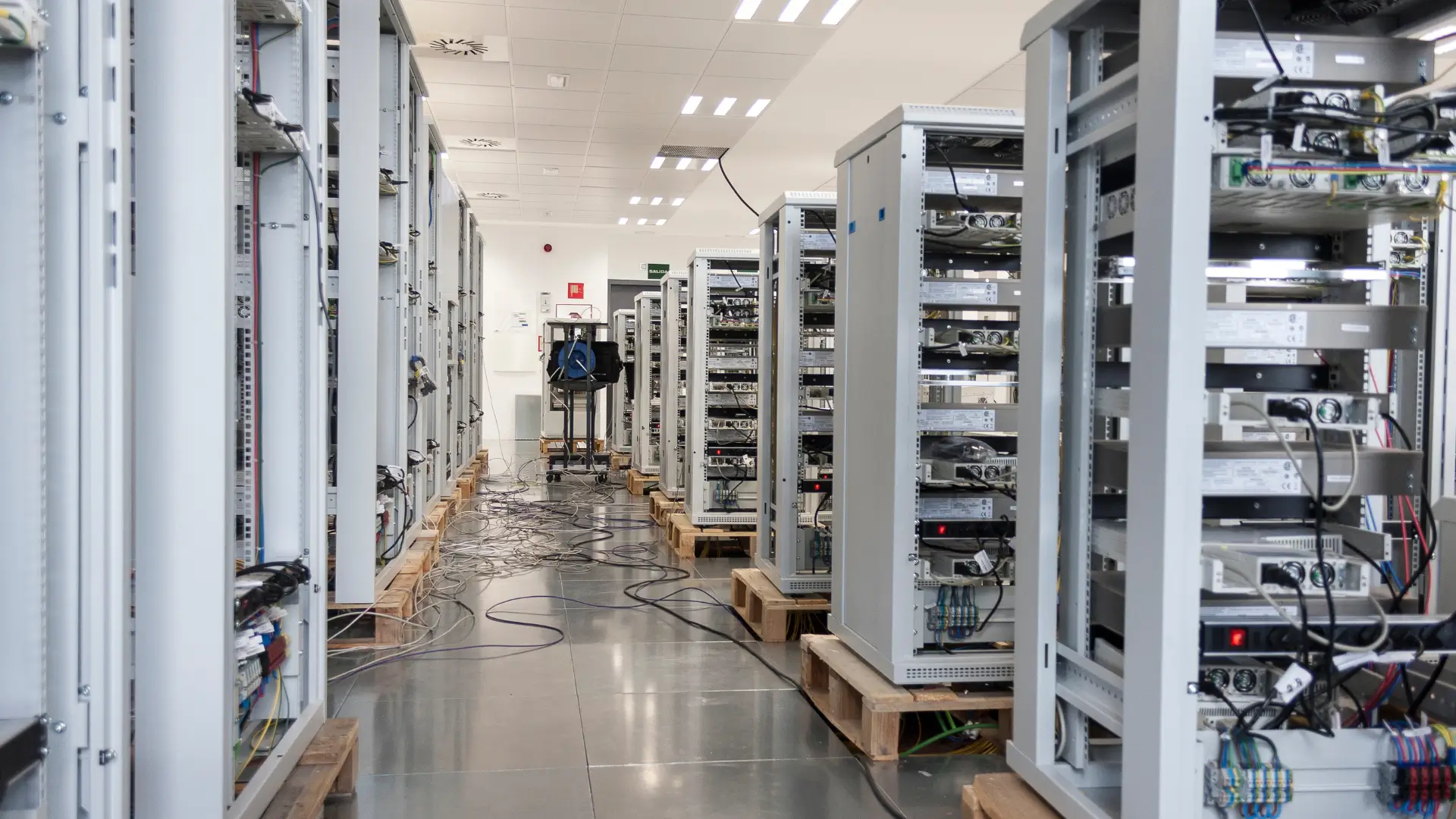
Nscale, founded in 2024, specialises in building and operating dedicated AI data centres designed to deliver massive GPU computing capacity to enterprises and research organisations.
The global artificial intelligence race is increasingly being defined not only by algorithms and models but by the infrastructure that powers them. In one of the most significant funding developments in Europe’s technology sector this year, the UK-based AI infrastructure company Nscale has secured $2 billion in Series C financing, pushing its valuation to $14.6 billion. The investment round, backed by several major institutional players including Nvidia, signals intensifying global competition to build the computing backbone of the AI economy.
The deal represents far more than a routine venture capital milestone. It highlights a structural shift within the technology industry: the transformation of AI infrastructure into one of the most strategically valuable segments of the digital economy. As demand for large-scale computing accelerates, companies capable of delivering high-performance AI data centres are rapidly becoming critical partners to both governments and technology giants.
Nscale, founded in 2024, specialises in building and operating dedicated AI data centres designed to deliver massive GPU computing capacity to enterprises and research organisations. These facilities house clusters of advanced processors – many supplied by Nvidia to train and deploy large-scale AI models.
The funding round was led by Norwegian industrial group Aker ASA and investment firm 8090 Industries, with participation from technology and financial investors including Nvidia, Lenovo, Citadel, Dell and Jane Street. The diverse investor base underscores the growing belief that AI infrastructure will form the foundation of future economic productivity and digital competitiveness.
For Nvidia, the investment reflects a deliberate strategy to extend its influence beyond semiconductor manufacturing and into the broader AI ecosystem. The company’s graphics processing units have become the industry standard for training advanced AI systems, and demand for its chips has surged as corporations and governments accelerate investment in artificial intelligence.
By backing companies such as Nscale, Nvidia is effectively reinforcing the infrastructure layer that drives demand for its own hardware. This vertically integrated approach mirrors historical technology cycles in which platform providers seek to control both the tools and the environments in which those tools operate.
The timing of the investment also reflects a dramatic surge in demand for AI computing capacity. Over the past two years, technology companies and research labs have entered an intense race to build increasingly sophisticated generative AI models. Training these systems requires enormous amounts of computational power, often delivered through specialised GPU clusters hosted in dedicated data centres.
As a result, the market for AI infrastructure has expanded rapidly, creating opportunities for new entrants such as Nscale. Unlike traditional cloud providers that offer general computing services, companies like Nscale position themselves as “AI hyperscalers”, focusing exclusively on high-performance infrastructure tailored for machine learning workloads.
The financial scale of the company’s recent fundraising illustrates the extraordinary pace of growth in this sector. According to company statements, Nscale has now raised more than $4.5 billion across multiple funding rounds within less than a year. The latest $2 billion round is among the largest Series C financings ever completed in Europe’s technology industry.
This influx of capital will primarily be used to expand Nscale’s global network of AI data centres, enabling the company to supply computing resources to major technology customers. Industry reports indicate that the firm already works with large AI developers and cloud platforms, including projects linked to Microsoft and other global technology players.
The rapid expansion of AI infrastructure has significant economic implications. Data centres capable of supporting large-scale machine learning models require enormous investments in hardware, energy, networking and real estate. In many cases, these facilities consume power equivalent to small towns, making them both valuable economic assets and complex infrastructure projects.