 PEARSON PLC ORD 25P PSON.L
 DIAGEO PLC ORD 28 101/108P DGE.L
 RECKITT BENCKISER GROUP PLC ORD RKT.L
 LLOYDS BANKING GROUP PLC ORD 10 LLOY.L
 MELROSE INDUSTRIES PLC ORD GBP0 MRO.L
 FRESNILLO PLC ORD USD0.50 FRES.L
 NATWEST GROUP PLC ORD 107.69P NWG.L
 WEIR GROUP PLC ORD 12.5P WEIR.L
 STANDARD CHARTERED PLC ORD USD0 STAN.L
 ENDEAVOUR MINING PLC ORD USD0.0 EDV.L
 OCADO GROUP PLC ORD 2P OCDO.L
 ANGLO AMERICAN PLC ORD USD0.623 AAL.L
 BAE SYSTEMS PLC ORD 2.5P BA.L
 VODAFONE GROUP PLC ORD USD0.20 VOD.L
 HSBC HOLDINGS PLC ORD $0.50 (UK HSBA.L
 GLENCORE PLC ORD USD0.01 GLEN.L
 UNITE GROUP PLC ORD 25P UTG.L
 CRODA INTERNATIONAL PLC ORD 10. CRDA.L
 KINGFISHER PLC ORD 15 5/7P KGF.L
 TAYLOR WIMPEY PLC ORD 1P TW.L
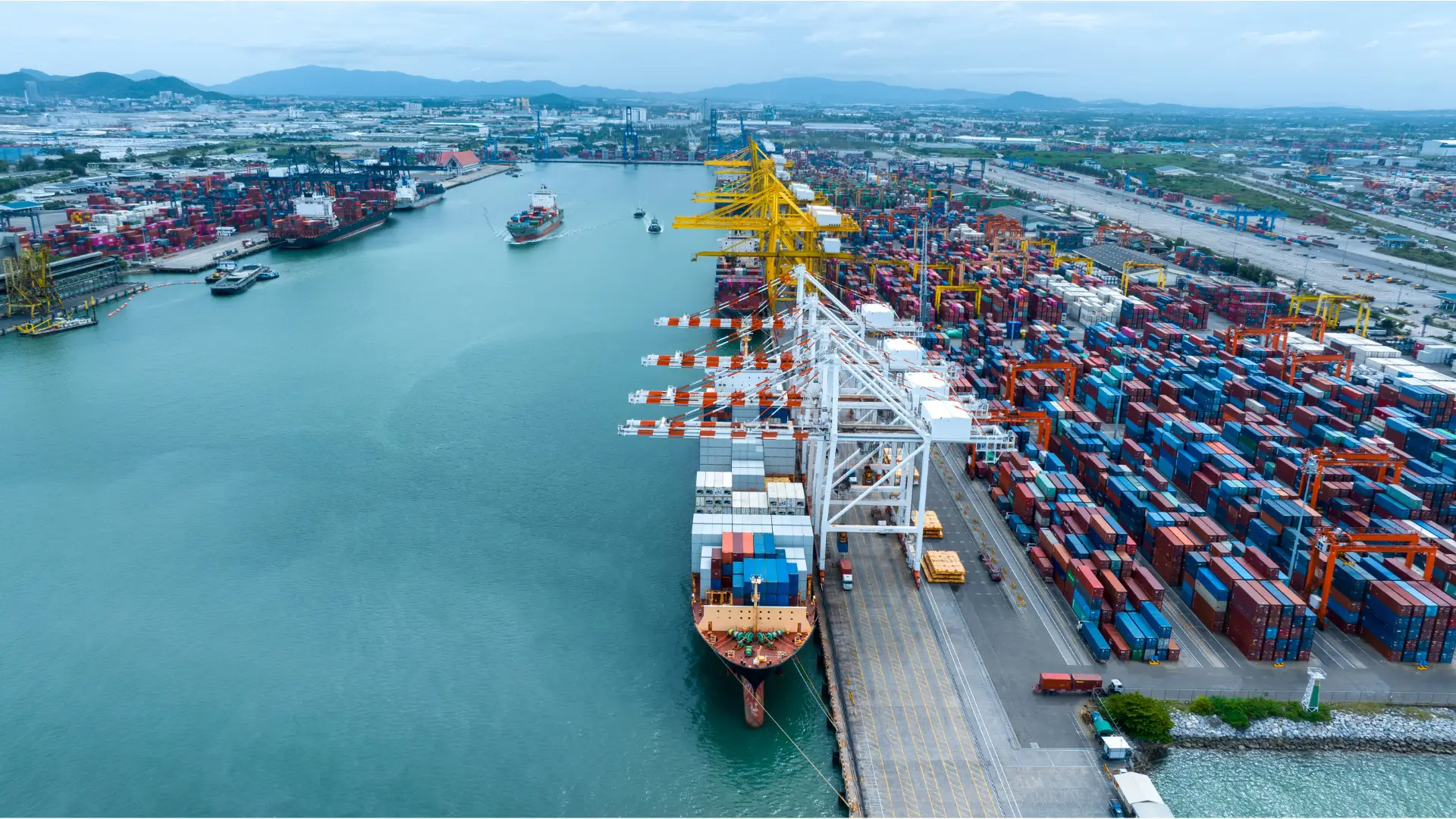
the Balboa and Cristobal ports in Panama, a gateway to the Panama Canal, to a group of global investors led by BlackRock and Mediterranean Shipping Company
The hotly contested negotiation regarding the sale of the worldwide ports operating company that has terminals along the Panama Canal has suddenly re-entered the realm of geopolitics, thanks to claims that Beijing has demanded a controlling interest in the Chinese national carrier, COSCO. The development has brought the negotiation to a standstill while concerns mount in Washington.
The deal is at the heart of a disagreement over a proposed sale of the ports of CK Hutchison, a vast portfolio that includes the Balboa and Cristobal ports in Panama, a gateway to the Panama Canal, to a group of global investors led by BlackRock and Mediterranean Shipping Company (MSC). The original deal was to involve COSCO as equal shareholders, although sources close to the deal have said that Beijing has insisted that a majority interest be reserved for COSCO.
Reports say the standoff involves a deal in the tens of billions of dollars. Recent coverage puts the headline figure for the transaction involving more than 40 global port assets at about $22.8 billion, though past reporting on the evolving negotiations has quoted different sums as bidders restructured proposals and regulatory reviews progressed. What is clear, however, is that the scale of the transaction and the strategic placement of the Panama terminals have pushed the deal from a commercial sale to a geopolitical flashpoint.
The question is not only commercial but constitutional, at least in the case of Washington. The region around the canal is identified by senior US officials as one which is sensitive to national security, and previous interventions on the part of the US administration had indicated a sensitivity to any major Chinese investment in the region around the Panama Canal. Such a scenario would be politically explosive in Washington and in allied capitals, where a maritime chokepoint is seen to be a vital element of national security.
From a Chinese point of view, securing COSCO a central role in the proposed transaction reflects a larger strategy: to guarantee that Chinese giants in transportation have a strong influence on global supply chains. COSCO is, in fact, a key port operator and a liner service provider; gaining a larger role in the Hutchison portfolio would enhance Chinese influence in transit ports that connect to the canal, and hence US/Latin American routes. Some observers warn, however, that insistence by the Chinese government may harden resistive views, potentially blocking a sale.
Market players tracking the negotiations say the impasse reflects a broadening commercial headache for deep-pocketed private investors. Asset managers like BlackRock had bid on the Hutchison assets as infrastructure plays with predictable long-term cash flows; the late-stage arrival of state-backed bidders with political levers to pull on approvals upends that template and introduces uncertainty for lenders, insurers and terminal operators. The immediate consequence has been a standstill on progress while stakeholders reassess legal, regulatory and political risk.
However, the maritime industry is already operating within a realm where the realms of geopolitics and economic systems are intertwined. This year, certain developments such as the resurgence in competition regarding the management of the terminal and the restructuring within the maritime space have reinforced the fact that infrastructure transactions are just as much about influence as they are about income. In the case of the Panamanian economy, which depends on the canal as well as economic activities associated with ports, the results of the negotiations have significant implications.
The next steps are unclear at this point. There could be a stalemate if the Sinopec China wants the consortium to retain a majority share, and this could pave the way for other considerations or a rebidding if the consortium members and the Panama authorities cannot agree otherwise. There could be a compromise that allows COSCO to enter, but would agree to conditions to ease security-related fears.