 PEARSON PLC ORD 25P PSON.L
 DIAGEO PLC ORD 28 101/108P DGE.L
 RECKITT BENCKISER GROUP PLC ORD RKT.L
 LLOYDS BANKING GROUP PLC ORD 10 LLOY.L
 MELROSE INDUSTRIES PLC ORD GBP0 MRO.L
 FRESNILLO PLC ORD USD0.50 FRES.L
 NATWEST GROUP PLC ORD 107.69P NWG.L
 WEIR GROUP PLC ORD 12.5P WEIR.L
 STANDARD CHARTERED PLC ORD USD0 STAN.L
 ENDEAVOUR MINING PLC ORD USD0.0 EDV.L
 OCADO GROUP PLC ORD 2P OCDO.L
 ANGLO AMERICAN PLC ORD USD0.623 AAL.L
 BAE SYSTEMS PLC ORD 2.5P BA.L
 VODAFONE GROUP PLC ORD USD0.20 VOD.L
 HSBC HOLDINGS PLC ORD $0.50 (UK HSBA.L
 GLENCORE PLC ORD USD0.01 GLEN.L
 UNITE GROUP PLC ORD 25P UTG.L
 CRODA INTERNATIONAL PLC ORD 10. CRDA.L
 KINGFISHER PLC ORD 15 5/7P KGF.L
 TAYLOR WIMPEY PLC ORD 1P TW.L
The collaborative vision behind these initiatives is anchored in mutual interests: Saudi Arabia aims to expand its economic footprint and strengthen ties within the Levant, while Syria endeavours to rebuild critical infrastructure and restore economic vitality following more than a decade of war.
In a landmark stride that reshapes the geopolitical and economic contours of the Middle East, Saudi Arabia and Syria have formally agreed to launch 45 comprehensive development initiatives, signalling a new chapter of strategic cooperation and regional reconstruction. This ambitious pact, signed during a high-level visit by a Saudi investment delegation led by Investment Minister Khalid Al-Falih, reflects both nations’ determination to foster sustainable economic growth, enhance connectivity, and attract foreign investment as Syria seeks to emerge from years of conflict and economic stagnation.
The framework agreement for the 45 development initiatives was inked in Damascus amid a backdrop of renewed diplomatic engagement and optimism. In the presence of senior officials from both governments, the accord places an emphasis on multifaceted economic cooperation that spans crucial sectors such as telecommunications, aviation, infrastructure, real estate, and digital connectivity. The collaborative vision behind these initiatives is anchored in mutual interests: Saudi Arabia aims to expand its economic footprint and strengthen ties within the Levant, while Syria endeavours to rebuild critical infrastructure and restore economic vitality following more than a decade of war.
Central to the partnership is the “SilkLink” telecommunications project, a flagship endeavour aimed at modernising Syria’s digital infrastructure and transforming the country into a pivotal hub for data transmission between Asia and Europe. Backed by an estimated $1 billion investment and led by Saudi Telecom Company (STC), this initiative will involve extensive deployment of fibre-optic networks, the construction of state-of-the-art data centres, and broad enhancements to internet connectivity. By improving digital access and capacity, the project is expected to catalyse growth in information technology, e-commerce, and regional digital services.
Another defining element of the pact is the establishment of a joint Syrian-Saudi airline, “flynas Syria”, which promises to reinvigorate civil aviation links across the Middle East, Africa, and Europe. This partnership’s structure, with 51 per cent Syrian ownership and 49 per cent held by Saudi Arabia’s budget carrier flynas, exemplifies a balanced commercial partnership that combines local agency with international operational expertise. The new airline is slated to begin operations in late 2026, offering a vital boost to travel, tourism, and business connectivity for a country long isolated by conflict and sanctions.
Equally significant are the plans for modernising Syria’s airport infrastructure. With Saudi investment support, including backing from the Elaf Fund, two airports in and around Aleppo are set for comprehensive redevelopment. This includes constructing a new international terminal capable of handling millions of passengers annually, alongside upgrades to existing facilities and navigation systems. Such investments are pivotal for reintegrating Syria into global travel networks and stimulating economic activity through increased movement of people and goods.
Sectors beyond aviation and telecommunications also feature prominently in the development agenda. A water desalination and transport project, agreed between the Syrian Ministry of Energy and major Saudi firms ACWA Power and the National Water Transmission Company, aims to address long-standing challenges in water security and distribution. This initiative will support urban and rural communities alike, potentially transforming agricultural productivity and living standards in water-scarce regions.
In parallel, infrastructure investments in real estate and utilities are expected to stimulate job creation and economic diversification. The Saudi-Syrian Business Council, recently established to oversee the implementation of these strategic projects, will play a key role in coordinating investment flows, regulatory frameworks, and private-sector engagement. By harnessing the combined capabilities of Saudi capital and Syrian human resources, the council aims to ensure that development outcomes are both sustainable and inclusive.
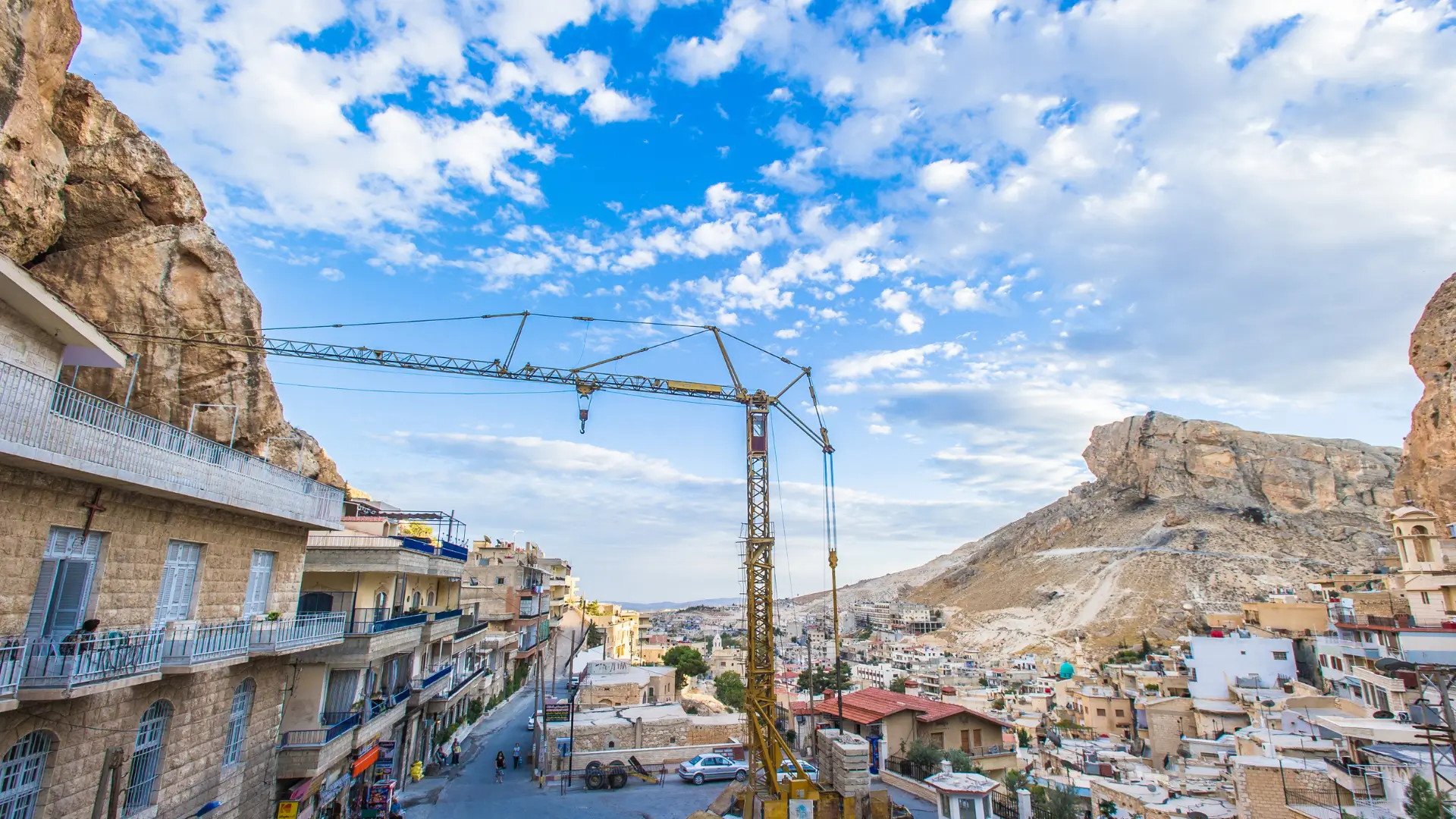
The decision to embark on such a comprehensive suite of initiatives comes at a moment of significant transition for Syria. With Western sanctions lifted in late 2025, opportunities for international engagement and reconstruction financing have multiplied. Saudi Arabia’s investment thrust underscores its intent to be at the forefront of the Syrian recovery process, leveraging economic diplomacy to reinforce stability and shared prosperity. For Syria, the partnership offers a lifeline, enabling access to capital, technology, and expertise essential for repairing its shattered economy.