 PEARSON PLC ORD 25P PSON.L
 DIAGEO PLC ORD 28 101/108P DGE.L
 RECKITT BENCKISER GROUP PLC ORD RKT.L
 LLOYDS BANKING GROUP PLC ORD 10 LLOY.L
 MELROSE INDUSTRIES PLC ORD GBP0 MRO.L
 FRESNILLO PLC ORD USD0.50 FRES.L
 NATWEST GROUP PLC ORD 107.69P NWG.L
 WEIR PLC ORD 12.5P WEIR.L
 STANDARD CHARTERED PLC ORD USD0 STAN.L
 ENDEAVOUR MINING PLC ORD USD0.0 EDV.L
 OCADO GROUP PLC ORD 2P OCDO.L
 ANGLO AMERICAN PLC ORD USD0.623 AAL.L
 BAE SYSTEMS PLC ORD 2.5P BA.L
 VODAFONE GROUP PLC ORD USD0.20 VOD.L
 HSBC HOLDINGS PLC ORD $0.50 (UK HSBA.L
 GLENCORE PLC ORD USD0.01 GLEN.L
 UNITE GROUP PLC ORD 25P UTG.L
 CRODA INTERNATIONAL PLC ORD 10. CRDA.L
 KINGFISHER PLC ORD 15 5/7P KGF.L
 TAYLOR WIMPEY PLC ORD 1P TW.L
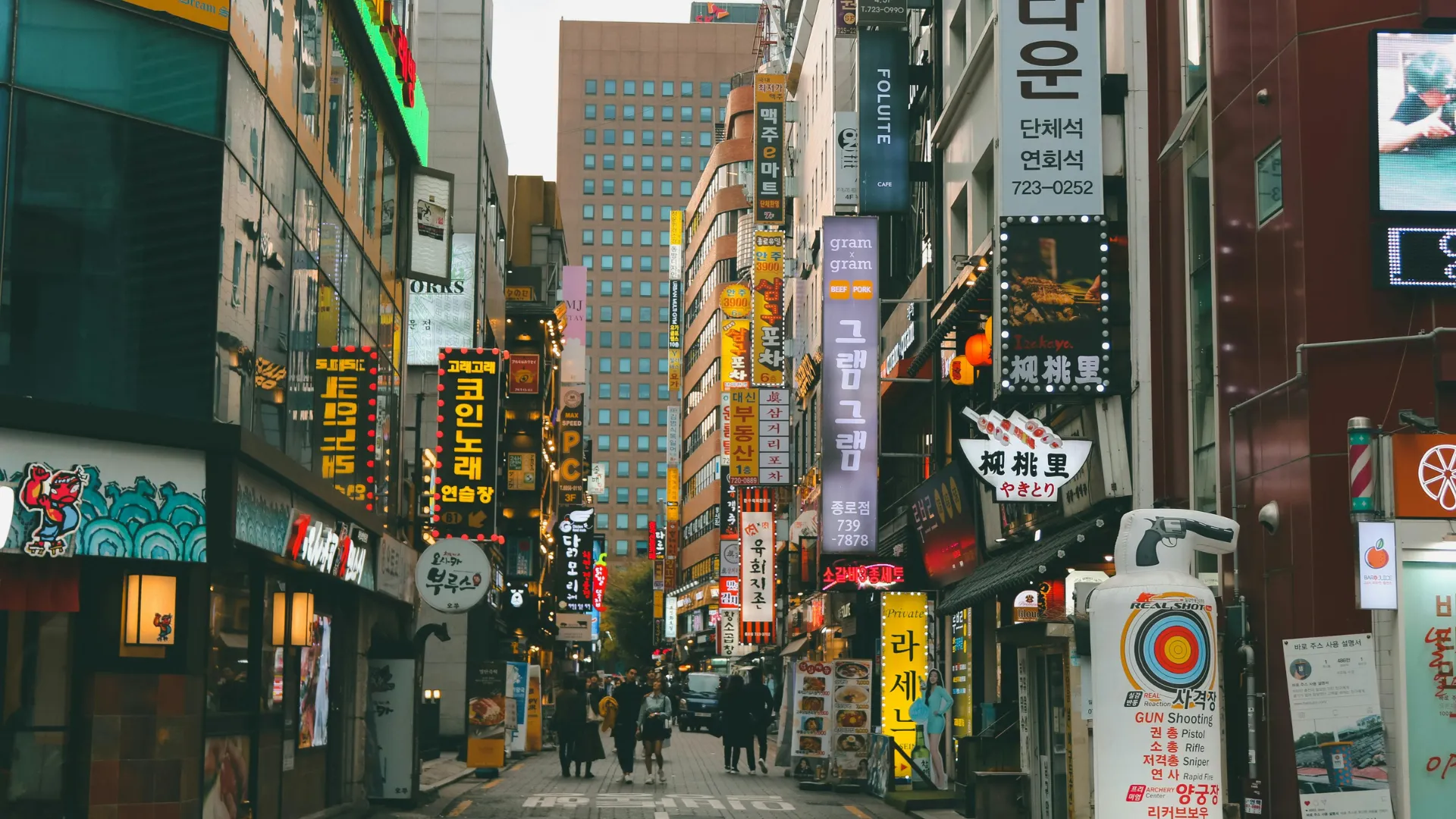
A government official stated that South Korea’s tourism industry will recover rapidly after implementing the new visa waiver program. It is expected to increase demand for travel to the country, stimulate regional economies, and boost domestic spending.
South Korea and China are taking promising steps to deepen their economic cooperation. South Korea has introduced a visa-free entry policy for Chinese tour groups to encourage more travel, cultural exchange, and business opportunities, while also strengthening the ties between these two important Asian neighbors.
As part of the pilot program, the new visa-free policy is scheduled to run until June 30,2026. It will allow groups of three or more Chinese tourists to visit and stay in South Korea for up to 15 days without needing a visa.
The timing is strategic, as China observes its National Day holidays from October 1 to 8, and this period also overlaps with many other South Korean holidays.
A government official stated that Seoul’s tourism industry will recover rapidly after implementing the new visa waiver program. It is expected to increase demand for travel to Korea, stimulate regional economies, and boost domestic spending.
According to data from the Korea Tourism Organisation, Chinese nationals were the largest group of foreign tourists visiting South Korea, with around 2.5 million arrivals in the first half of the year.
Companies in South Korea are getting ready to welcome increased demand from Chinese visitors. For example, retailer The Shila Duty Free has organized a special cruise tour for Chinese travelers, and food delivery app service Baedal Minjok is adding Alipay and WeChat Pay, making it easier for Chinese tourists to make payments.
The program was first announced in March. It was announced after China decided last November to allow South Koreans to visit the country without a visa for up to 30 days. The last time Seoul offered a similar deal to Chinese tourists was during the PyeongChang Winter Olympics in late 2017 and early 2018.
According to the Ministry of Land, Infrastructure and Transport, the policy led to an increase in travel from South Korea to China. The tourist count increased by 20.4% to 5.7 million trips between November and March.
The tourism between these two states often showed the relationship status between South Korea and China. When Seoul approved the deployment of the US-made Terminal High Altitude Area Defense (THAAD) system in 2017, Beijing responded by restricting tourist group tours to South Korea. They were limiting the groups until 2023, when travel from the Chinese group to South Korea resumed. China had opposed the idea of launching THAAD, as they were worried that it could be used by the United States to monitor China.
The current government, led by Lee Jae-myung, aims to further strengthen ties with China, particularly during the visit by Chinese President Xi Jinping to South Korea in late October for the Asia-Pacific Economic Cooperation (APEC) summit.
There still seems to be some distrust of China. Last month, the Chinese embassy in South Korea issued a safety advisory after reports of increased anti-China protests outside its premises in Seoul.
The country’s Foreign Minister Cho Hyun stated in an interview that China has become challenging in its interactions with its neighboring countries.
In response, China’s embassy in Seoul stated that China maintains good relations with its neighbors and that both sides have continued to make positive efforts to strengthen their relationships.
The recent visa-free entry program for Chinese tour groups is expected to help South Korea revive its tourism industry and strengthen economic and diplomatic ties with China. Both countries are trying to navigate their complex regional dynamics and balance between cooperation and ongoing concerns. The success of this tourism move will bring broader improvements in their relationship.