 PEARSON PLC ORD 25P PSON.L
 DIAGEO PLC ORD 28 101/108P DGE.L
 RECKITT BENCKISER GROUP PLC ORD RKT.L
 LLOYDS BANKING GROUP PLC ORD 10 LLOY.L
 MELROSE INDUSTRIES PLC ORD GBP0 MRO.L
 FRESNILLO PLC ORD USD0.50 FRES.L
 NATWEST GROUP PLC ORD 107.69P NWG.L
 WEIR PLC ORD 12.5P WEIR.L
 STANDARD CHARTERED PLC ORD USD0 STAN.L
 ENDEAVOUR MINING PLC ORD USD0.0 EDV.L
 OCADO GROUP PLC ORD 2P OCDO.L
 ANGLO AMERICAN PLC ORD USD0.623 AAL.L
 BAE SYSTEMS PLC ORD 2.5P BA.L
 VODAFONE GROUP PLC ORD USD0.20 VOD.L
 HSBC HOLDINGS PLC ORD $0.50 (UK HSBA.L
 GLENCORE PLC ORD USD0.01 GLEN.L
 UNITE GROUP PLC ORD 25P UTG.L
 CRODA INTERNATIONAL PLC ORD 10. CRDA.L
 KINGFISHER PLC ORD 15 5/7P KGF.L
 TAYLOR WIMPEY PLC ORD 1P TW.L
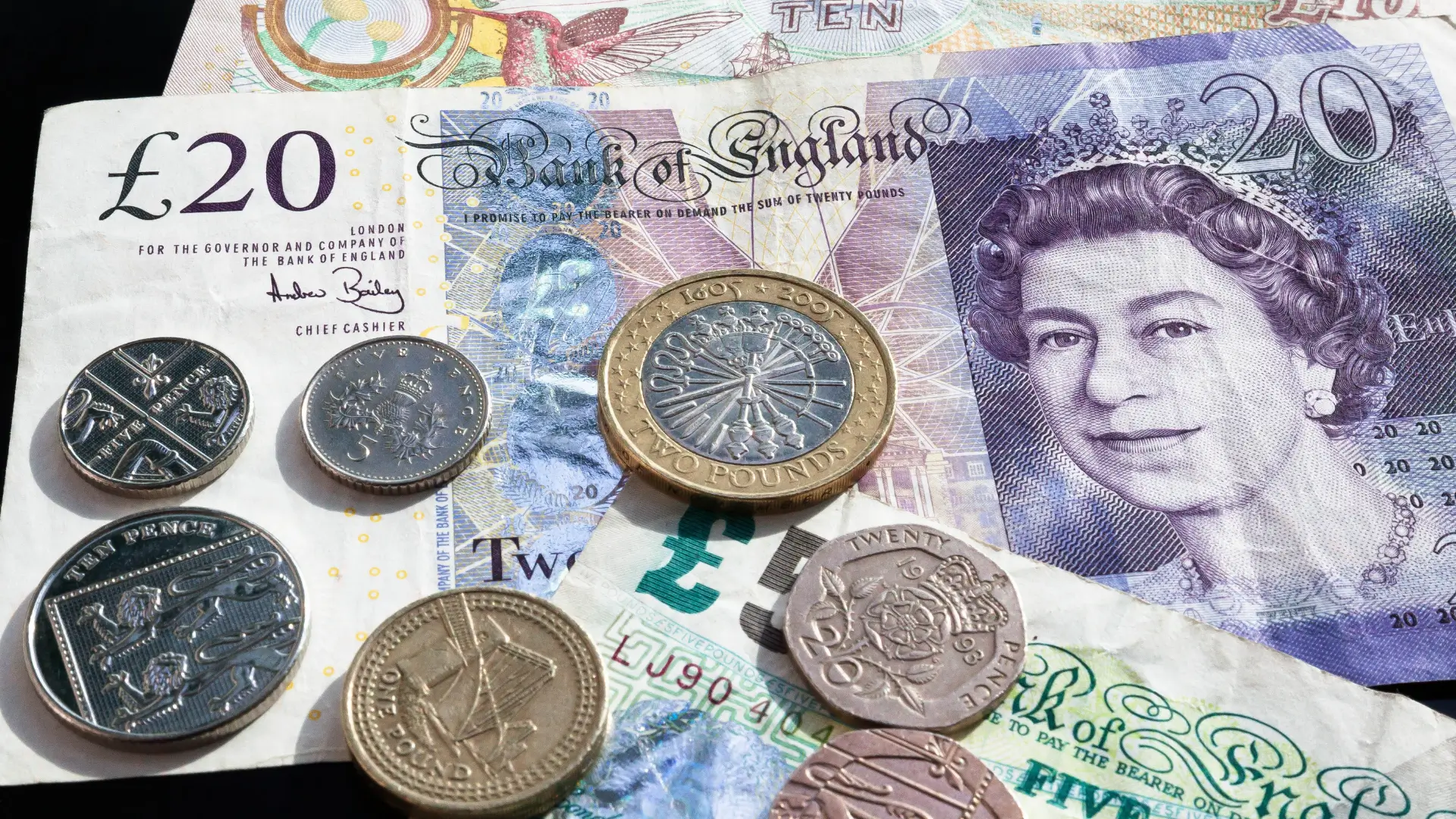
Sterling fell for a third consecutive trading session against both the US dollar and the euro, with the pound slipping towards its weakest level in nearly two weeks.
The British pound came under renewed pressure this week as mounting geopolitical instability in the Middle East combined with growing political uncertainty at home to unsettle currency markets and weaken investor confidence in Sterling. The decline reflects a broader shift in global risk sentiment, with traders increasingly moving towards safe-haven assets amid fears of prolonged conflict, rising energy prices and fragile economic prospects across Europe.
Sterling fell for a third consecutive trading session against both the US dollar and the euro, with the pound slipping towards its weakest level in nearly two weeks. Currency analysts say the latest downturn is not merely a short-term reaction to market volatility, but part of a deeper concern surrounding Britain’s economic resilience during a period of intensifying international instability.
The immediate catalyst behind the sell-off was the sharp escalation in tensions involving Iran and the United States. Reports of strikes linked to Iranian forces, alongside uncertainty surrounding negotiations over the Strait of Hormuz, pushed investors back towards the US dollar, traditionally viewed as a safer asset during geopolitical crises. Oil markets also reacted strongly, with crude prices surging amid fears of supply disruption through one of the world’s most strategically important shipping routes.
For the United Kingdom, the implications are particularly serious. Britain remains highly exposed to global energy shocks, and rising oil and gas prices threaten to fuel inflation at a time when households and businesses are already under considerable financial strain. Analysts warn that higher energy costs could complicate the Bank of England’s monetary policy outlook, forcing policymakers into an increasingly uncomfortable balancing act between controlling inflation and supporting weak economic growth.
The sterling’s weakness has also been amplified by growing unease over Britain’s domestic political climate. Concerns surrounding Prime Minister Sir Keir Starmer’s leadership have resurfaced following disappointing political momentum for Labour in recent weeks. Speculation over potential internal challenges and wider divisions within the governing party has injected another layer of uncertainty into financial markets already grappling with geopolitical instability.
Currency strategists argue that political instability tends to increase the so-called “risk premium” attached to Sterling, making international investors more cautious about holding UK assets. The memory of previous periods of political turbulence, particularly during the later Brexit years and the bond market disruption of 2022, still lingers strongly within financial markets. Investors remain highly sensitive to any signs that fiscal discipline or political stability could weaken once again.
At the same time, the euro has gained modestly against the pound as traders reassess the policy direction of the European Central Bank. Some market participants now expect the ECB to maintain a firmer stance on inflation following the energy shock linked to Middle East tensions. By contrast, the Bank of England faces a more complicated domestic backdrop, with slowing consumer demand and softer business activity limiting its room for aggressive tightening.
Despite the current pressure on Sterling, some economists believe the decline may remain relatively contained if geopolitical tensions begin to ease in the coming weeks. There are also hopes that any eventual diplomatic breakthrough involving Iran could stabilise oil markets and reduce inflationary concerns across Europe. Recent fluctuations in energy prices have already demonstrated how quickly market sentiment can reverse when prospects for peace improve.
Nevertheless, the broader outlook for the pound remains fragile. Britain’s dependence on imported energy, combined with weak productivity growth and persistent fiscal pressures, leaves the currency vulnerable to external shocks. Financial markets are likely to remain highly reactive to developments both in the Middle East and within Westminster, particularly as investors continue searching for signs of policy clarity and economic stability.
For now, Sterling’s decline serves as another reminder that currency markets are increasingly being shaped not only by economic fundamentals, but also by geopolitical uncertainty and political credibility. In a world where global conflicts can rapidly reshape financial sentiment, the pound’s path forward may depend as much on diplomacy and domestic leadership as on interest rates and inflation figures.