 PEARSON PLC ORD 25P PSON.L
 DIAGEO PLC ORD 28 101/108P DGE.L
 RECKITT BENCKISER GROUP PLC ORD RKT.L
 LLOYDS BANKING GROUP PLC ORD 10 LLOY.L
 MELROSE INDUSTRIES PLC ORD GBP0 MRO.L
 FRESNILLO PLC ORD USD0.50 FRES.L
 NATWEST GROUP PLC ORD 107.69P NWG.L
 WEIR GROUP PLC ORD 12.5P WEIR.L
 STANDARD CHARTERED PLC ORD USD0 STAN.L
 ENDEAVOUR MINING PLC ORD USD0.0 EDV.L
 OCADO GROUP PLC ORD 2P OCDO.L
 ANGLO AMERICAN PLC ORD USD0.623 AAL.L
 BAE SYSTEMS PLC ORD 2.5P BA.L
 VODAFONE GROUP PLC ORD USD0.20 VOD.L
 HSBC HOLDINGS PLC ORD $0.50 (UK HSBA.L
 GLENCORE PLC ORD USD0.01 GLEN.L
 UNITE GROUP PLC ORD 25P UTG.L
 CRODA INTERNATIONAL PLC ORD 10. CRDA.L
 KINGFISHER PLC ORD 15 5/7P KGF.L
 TAYLOR WIMPEY PLC ORD 1P TW.L
This development is a turning point in the economic relationship between the U.S. and Japan, which emphasises the strengthening of industry, energy security, and supply chain resilience.
In a historic milestone in the realm of international economic relations, the United States and Japan have announced a historic investment agreement that is set to reshape the future of bilateral cooperation. United States President Donald J. Trump has welcomed the commitment of the Japanese government to invest $36 billion in the crucial sectors of the U.S. economy, including oil, gas, and crucial mineral resources. This major development has been achieved as part of the first tranche of a massive $550 billion investment commitment as a result of a comprehensive trade agreement between the two countries.
This development is a turning point in the economic relationship between the U.S. and Japan, which emphasises the strengthening of industry, energy security, and supply chain resilience. President Trump described the move as a “testament to the power of the trade deal and its ability to breathe new life into American industry.” The President took to his social media platform to announce that “the massive trade deal with Japan has just launched.”
At the heart of this deal are three key projects, which are strategically positioned in Ohio, Texas, and Georgia. These projects represent a significant collaboration between Japanese investment and American manufacturing prowess. The first investment is a proposed natural gas-fired power generation project in Ohio, which is expected to cost around $33 billion and will have a capacity of 9.2 gigawatts, potentially the largest of its kind in U.S. history. The project is expected to have a significant impact on the provision of electricity for the growing industrial sector, including data centres and manufacturing.
To complement this major energy initiative, there is also the development of a deepwater crude oil export terminal located on the Gulf Coast of Texas. With an investment of approximately $2.1 billion, this project aims to improve the United States’ ability to export crude oil. According to U.S. Commerce Secretary Howard Lutnick, this project has the potential to create $20-30 billion in annual crude oil exports and help the domestic refineries by locking in export capacity.
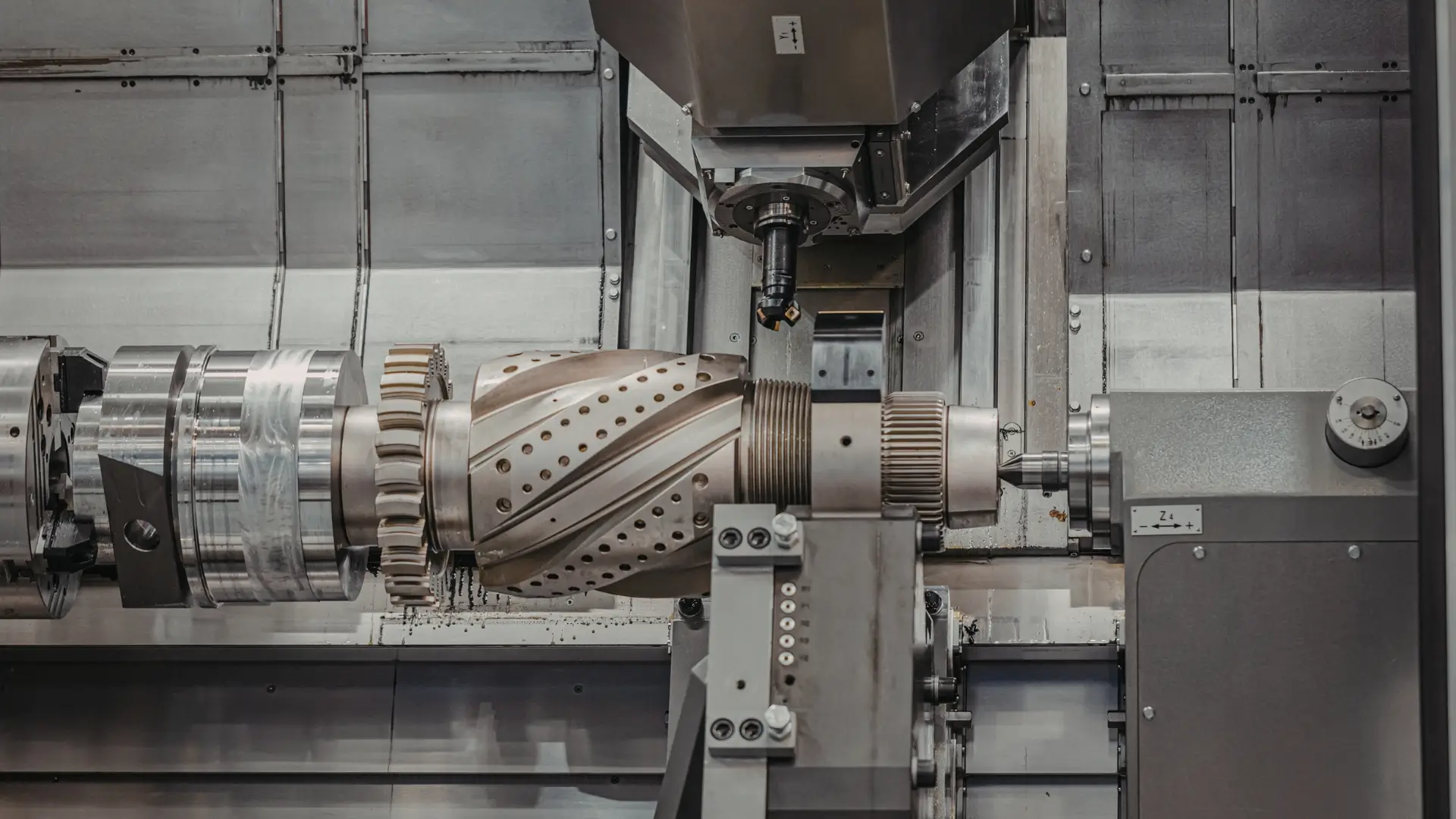
The third part of the investment involves a synthetic industrial diamond manufacturing facility in the state of Georgia, which is valued at around $600 million. This facility is expected to bring the production of synthetic diamond grit within the onshore borders of the United States, which is an important input in the field of high – technology sectors such as semiconductor manufacturing, aerospace engineering, and advanced tooling.
From Washington’s point of view, the general reason for this extensive foreign capital infusion rests on the principle of mutual benefit. Japan is provided with the opportunity to invest in stable and long-term investments, while the United States is able to secure capital for its critical infrastructure in industries that are vital to its energy independence and economic security. The financing provided by Japan will be in the form of equity, loans, and credit guarantees.
The geopolitical implications of this agreement also have great importance. At a time when competition in the global market for critical materials and energy resources is increasing, the U.S.-Japan initiative is perceived as a move to counter the dominance of other major powers in these areas. The availability of energy resources and critical materials is the foundation of the national security of both countries.
The domestic political context of the agreement is also highlighted by the way in which President Trump has chosen to frame it. Through its promotion of significant investment in the energy sector and manufacturing, the administration is able to highlight the role that such projects can play in creating jobs. It is reported that the foreign investment will create thousands of high-quality American jobs.