 PEARSON PLC ORD 25P PSON.L
 DIAGEO PLC ORD 28 101/108P DGE.L
 RECKITT BENCKISER GROUP PLC ORD RKT.L
 LLOYDS BANKING GROUP PLC ORD 10 LLOY.L
 MELROSE INDUSTRIES PLC ORD GBP0 MRO.L
 FRESNILLO PLC ORD USD0.50 FRES.L
 NATWEST GROUP PLC ORD 107.69P NWG.L
 WEIR GROUP PLC ORD 12.5P WEIR.L
 STANDARD CHARTERED PLC ORD USD0 STAN.L
 ENDEAVOUR MINING PLC ORD USD0.0 EDV.L
 OCADO GROUP PLC ORD 2P OCDO.L
 ANGLO AMERICAN PLC ORD USD0.623 AAL.L
 BAE SYSTEMS PLC ORD 2.5P BA.L
 VODAFONE GROUP PLC ORD USD0.20 VOD.L
 HSBC HOLDINGS PLC ORD $0.50 (UK HSBA.L
 GLENCORE PLC ORD USD0.01 GLEN.L
 UNITE GROUP PLC ORD 25P UTG.L
 CRODA INTERNATIONAL PLC ORD 10. CRDA.L
 KINGFISHER PLC ORD 15 5/7P KGF.L
 TAYLOR WIMPEY PLC ORD 1P TW.L
For Vitol, this transition is the right time to enter and gain a foothold in the South African market as the country’s 2025 Integrated Resource Plan (IRP) outlines over 105 gigawatts of new power generation capacity by 2039.
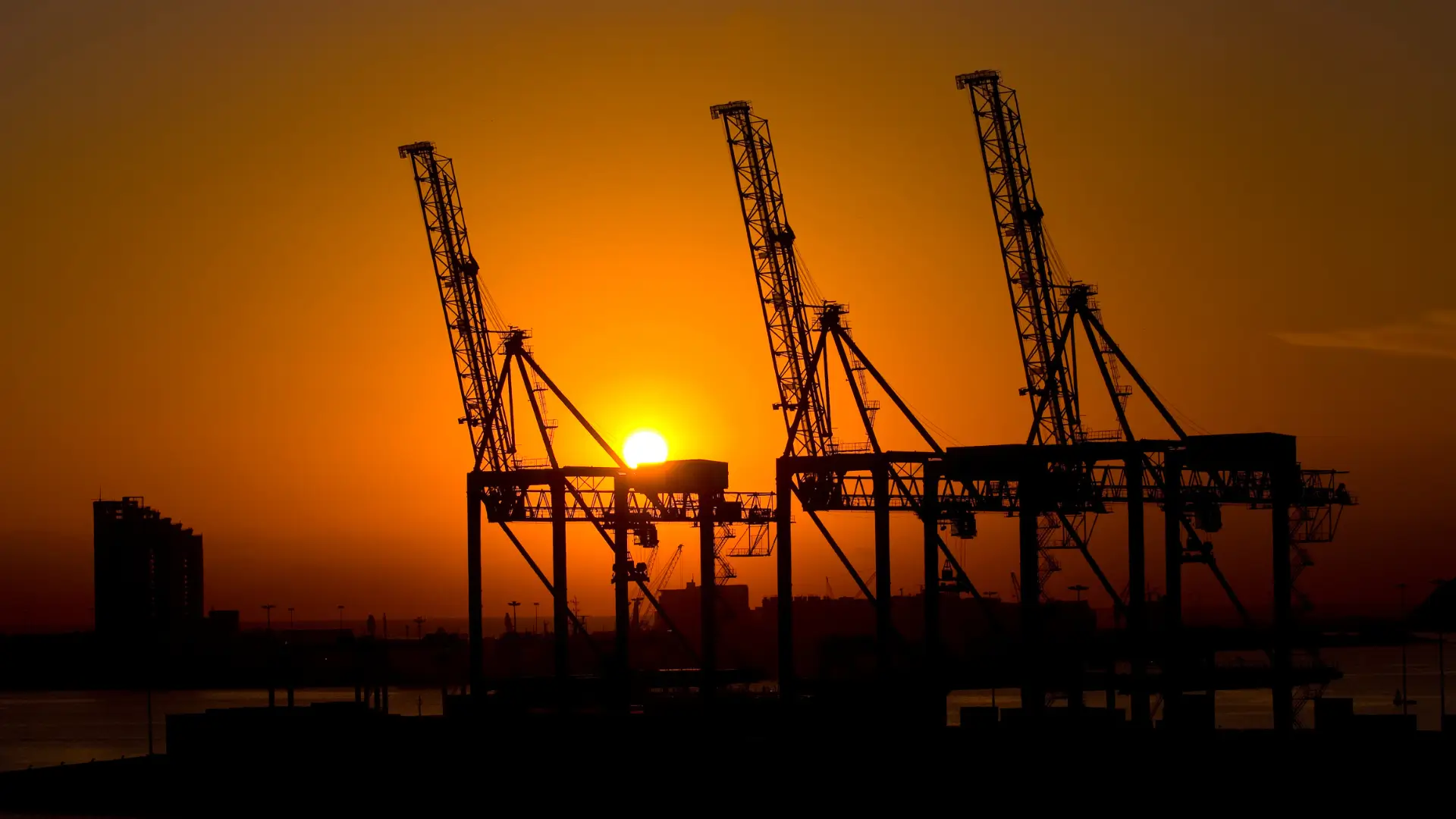
Commodity trader Vitol has confirmed it will back a consortium to build a gas-fired power station and an LNG import facility at South Africa’s Durban port for $3 billion. As the most industrialised economy in Africa, South Africa relies on gas to supply electricity as it transitions away from coal-fired power plants.
This consortium comprises Saudi Arabia‘s ACWA Power, Vivo Energy, which is a Vitol unit which in turn merged with Engen in 2024, and its terminal operator VTTI. ACWA Power is already an established developer and investor in solar and hybrid power projects across South Africa.
For Vitol, this transition is the right time to enter and gain a foothold in the South African market as the country’s 2025 Integrated Resource Plan (IRP) outlines over 105 gigawatts of new power generation capacity by 2039. Despite gas being a crucial component of its aim to move away from coal, renewable energy is set to account for more than half of this 105-gigawatt capacity.
News reports have emerged that Vivo officials said that this project was granted the status of Strategic Integrated Projects by Johannesburg authorities in September, allowing it to be fast-tracked, averting any red tapism and other bureaucratic challenges.
A 1,000 (to) 1,800 MW CCGT power generating plant with related LNG importation infrastructure is being developed and invested in, Vitol confirmed. As part of their master plan for the Durban marine terminal, officials stated that 20 hectares of land had been set aside for the project; however, no information has been divulged regarding the project’s schedule, potential costs, or gas requirements.
While the estimated cost of the project is $3 billion, it is still too early to provide a timeline and to determine from where the LNG cargoes would be sourced. The initiative, which marries a major gas-fired power generation facility with an LNG import terminal, marks a potentially pivotal moment in the nation’s broader efforts to diversify beyond coal-dominated electricity production.
South Africa has struggled for decades to stabilize its electrical system while lowering expenses and its negative effects on the environment. Historically, coal has provided about 80% of the nation’s electricity, supporting an energy sector beset by ongoing supply shortages and unstable systems. In light of this, the proposed Durban development presents a novel approach: one in which cleaner-burning natural gas serves as a dependable, dispatchable energy source in addition to renewables. By supporting the project, Vitol is demonstrating both its business interest and its implicit faith in gas’s long-term feasibility as a bridge fuel during the world’s shift to low-carbon energy.
Importantly, the South African government has officially classified the project as a Strategic Integrated Project, a designation meant to simplify regulatory procedures and lower administrative obstacles. Given the intricate licensing, permitting, and land allocation requirements that usually accompany major energy infrastructure developments, this expedited framework may prove to be crucial for advancement. In fact, about 20 hectares have already been set aside for this project in the Durban marine terminal master plan.
Vitol’s involvement is significant from a market standpoint. In addition to having a significant presence in the global LNG markets, the company, which is among the top independent energy traders in the world, has a track record of making investments in infrastructure that facilitates longer-term energy flows. Beyond only providing LNG cargoes, its choice to support the Durban scheme demonstrates a dedication to ensuring a long-term presence in South Africa’s energy transition. Instead of limiting participation to trading liquidity, analysts have noted that allocating balance sheet capital to such infrastructure indicates a belief in sustained demand growth and a favorable regulatory environment.