 PEARSON PLC ORD 25P PSON.L
 DIAGEO PLC ORD 28 101/108P DGE.L
 RECKITT BENCKISER GROUP PLC ORD RKT.L
 LLOYDS BANKING GROUP PLC ORD 10 LLOY.L
 MELROSE INDUSTRIES PLC ORD GBP0 MRO.L
 FRESNILLO PLC ORD USD0.50 FRES.L
 NATWEST GROUP PLC ORD 107.69P NWG.L
 WEIR GROUP PLC ORD 12.5P WEIR.L
 STANDARD CHARTERED PLC ORD USD0 STAN.L
 ENDEAVOUR MINING PLC ORD USD0.0 EDV.L
 OCADO GROUP PLC ORD 2P OCDO.L
 ANGLO AMERICAN PLC ORD USD0.623 AAL.L
 BAE SYSTEMS PLC ORD 2.5P BA.L
 VODAFONE GROUP PLC ORD USD0.20 VOD.L
 HSBC HOLDINGS PLC ORD $0.50 (UK HSBA.L
 GLENCORE PLC ORD USD0.01 GLEN.L
 UNITE GROUP PLC ORD 25P UTG.L
 CRODA INTERNATIONAL PLC ORD 10. CRDA.L
 KINGFISHER PLC ORD 15 5/7P KGF.L
 TAYLOR WIMPEY PLC ORD 1P TW.L
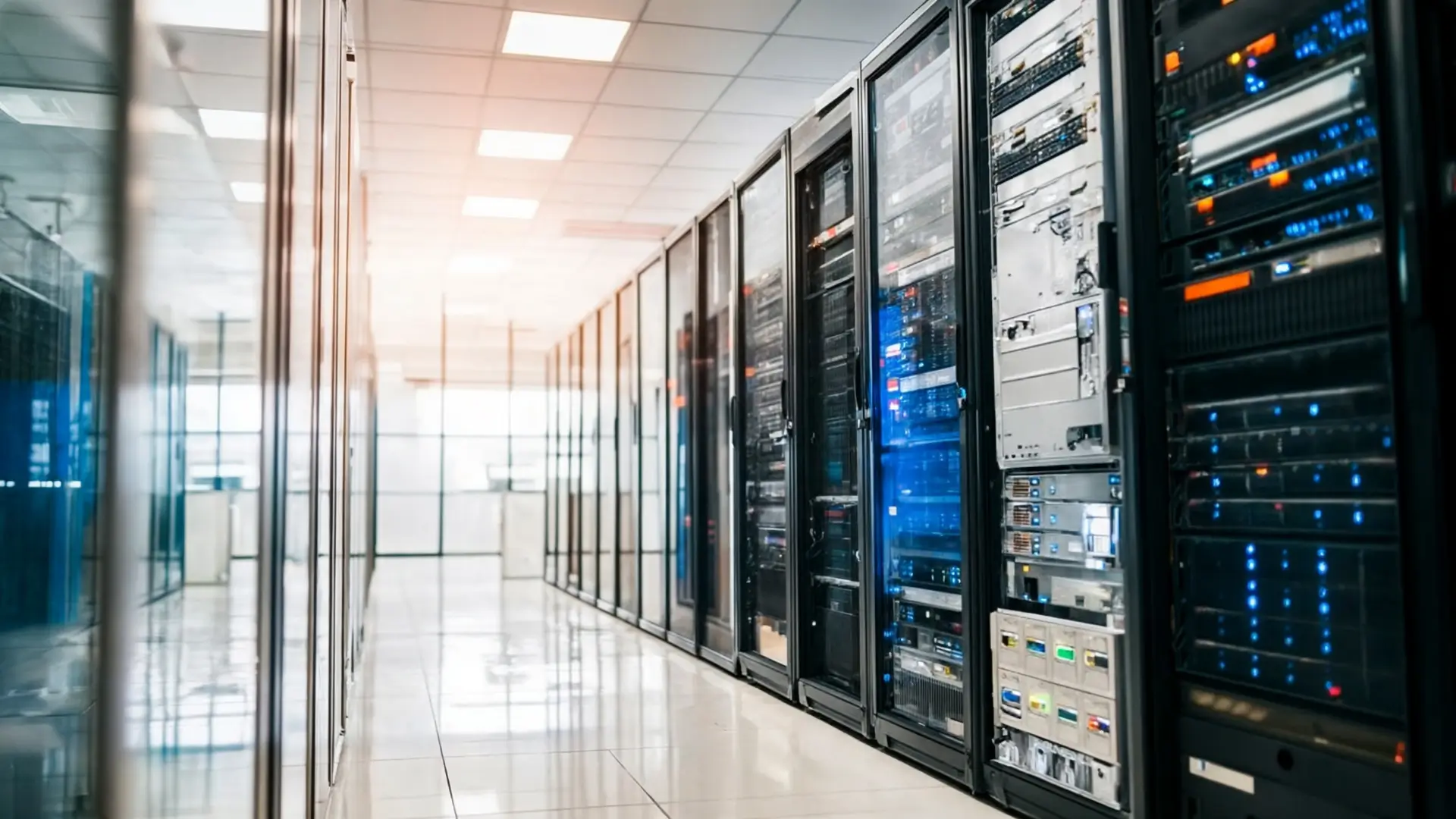
Central to its technological strategy has been the construction of its Memphis Colossus supercomputer, a data centre boasting an array of high-performance Nvidia GPUs designed to power its large language model, known as Grok.
In a decisive move that underscores the escalating competition within the artificial intelligence landscape, Elon Musk’s AI venture, xAI, is reportedly orchestrating a substantial fundraising effort to acquire up to 100,000 Nvidia graphics processing units (GPUs) for expansion of its Memphis, Tennessee data centre. The initiative, which involves plans to raise approximately $6 billion, reflects not only xAI’s ambition to secure significant computing power but also the broader industry shift towards infrastructure-driven AI dominance.
Founded in 2023 with the lofty mission of challenging entrenched players in AI, xAI has quickly become one of the most closely watched startups. Central to its technological strategy has been the construction of its Memphis Colossus supercomputer, a data centre boasting an array of high-performance Nvidia GPUs designed to power its large language model, known as Grok. When first launched, Colossus comprised around 100,000 Nvidia H100 GPUs, making it one of the largest training clusters in the world and cementing Memphis as a strategic node in the global AI infrastructure network.
The current fundraising campaign, revealed through filings and industry reporting, seeks to raise funds specifically to purchase additional Nvidia chips. While details around investor identities have been sparse, sources suggest that existing backers from previous rounds of funding would be among those participating. The targeted capital reflects a significant escalation in xAI’s hardware procurement ambitions, signalling that the company is preparing for a new phase of growth and capability enhancement.
At the heart of xAI’s strategy is the recognition that advanced AI models demand ever-greater compute capacity. GPUs, particularly those produced by Nvidia, have become the de facto standard for training and running sophisticated machine learning workflows due to their massive parallel processing capabilities. By securing a volume of GPUs on this scale for its latest data centre, xAI aims to accelerate its ability to train increasingly large and complex models, deepening its competitive stance against established rivals such as OpenAI, Google and Anthropic.
Indeed, industry analysts view this fundraising drive as indicative of a broader “compute arms race” within the AI sector. Whereas earlier stages of AI competition were centred largely on the ingenuity of model design and algorithm development, the current phase places a premium on sheer computational throughput. Organisations are vying not simply to innovate but to do so faster and at unprecedented scale. For Musk’s xAI, this means ensuring that its data centre operations can support the kind of high-intensity training required for next-generation models.
The choice of Memphis for the construction of the data centre is strategic. The site benefits from an existing supercomputing cluster and has been developed into a regional hub for AI infrastructure. Earlier expansions have included acquiring additional properties in the area, as well as investing in power and cooling systems necessary to sustain the vast energy demands of a modern data centre. These logistical underpinnings are crucial; without robust support systems, the installation and operation of tens of thousands of GPUs would be unworkable.
However, the reliance on a massive GPU fleet is not without critics. Environmental advocates have raised concerns about the energy consumption and carbon footprint of sprawling data centres, particularly when they draw on non-renewable energy sources to fuel operations. As xAI continues to scale up, these considerations will likely demand careful planning and transparent engagement with local communities and regulatory bodies.
Beyond infrastructure, the $6 billion initiative also speaks to investor confidence in xAI’s vision. Securing capital at this scale requires convincing stakeholders of the long-term value proposition, especially at a time when broader economic conditions have made venture funding more challenging. That xAI appears able to attract major backing suggests that stakeholders still see considerable potential in Musk’s AI ambitions, despite scepticism about the costs involved.