 PEARSON PLC ORD 25P PSON.L
 DIAGEO PLC ORD 28 101/108P DGE.L
 RECKITT BENCKISER GROUP PLC ORD RKT.L
 LLOYDS BANKING GROUP PLC ORD 10 LLOY.L
 MELROSE INDUSTRIES PLC ORD GBP0 MRO.L
 FRESNILLO PLC ORD USD0.50 FRES.L
 NATWEST GROUP PLC ORD 107.69P NWG.L
 WEIR GROUP PLC ORD 12.5P WEIR.L
 STANDARD CHARTERED PLC ORD USD0 STAN.L
 ENDEAVOUR MINING PLC ORD USD0.0 EDV.L
 OCADO GROUP PLC ORD 2P OCDO.L
 ANGLO AMERICAN PLC ORD USD0.623 AAL.L
 BAE SYSTEMS PLC ORD 2.5P BA.L
 VODAFONE GROUP PLC ORD USD0.20 VOD.L
 HSBC HOLDINGS PLC ORD $0.50 (UK HSBA.L
 GLENCORE PLC ORD USD0.01 GLEN.L
 UNITE GROUP PLC ORD 25P UTG.L
 CRODA INTERNATIONAL PLC ORD 10. CRDA.L
 KINGFISHER PLC ORD 15 5/7P KGF.L
 TAYLOR WIMPEY PLC ORD 1P TW.L
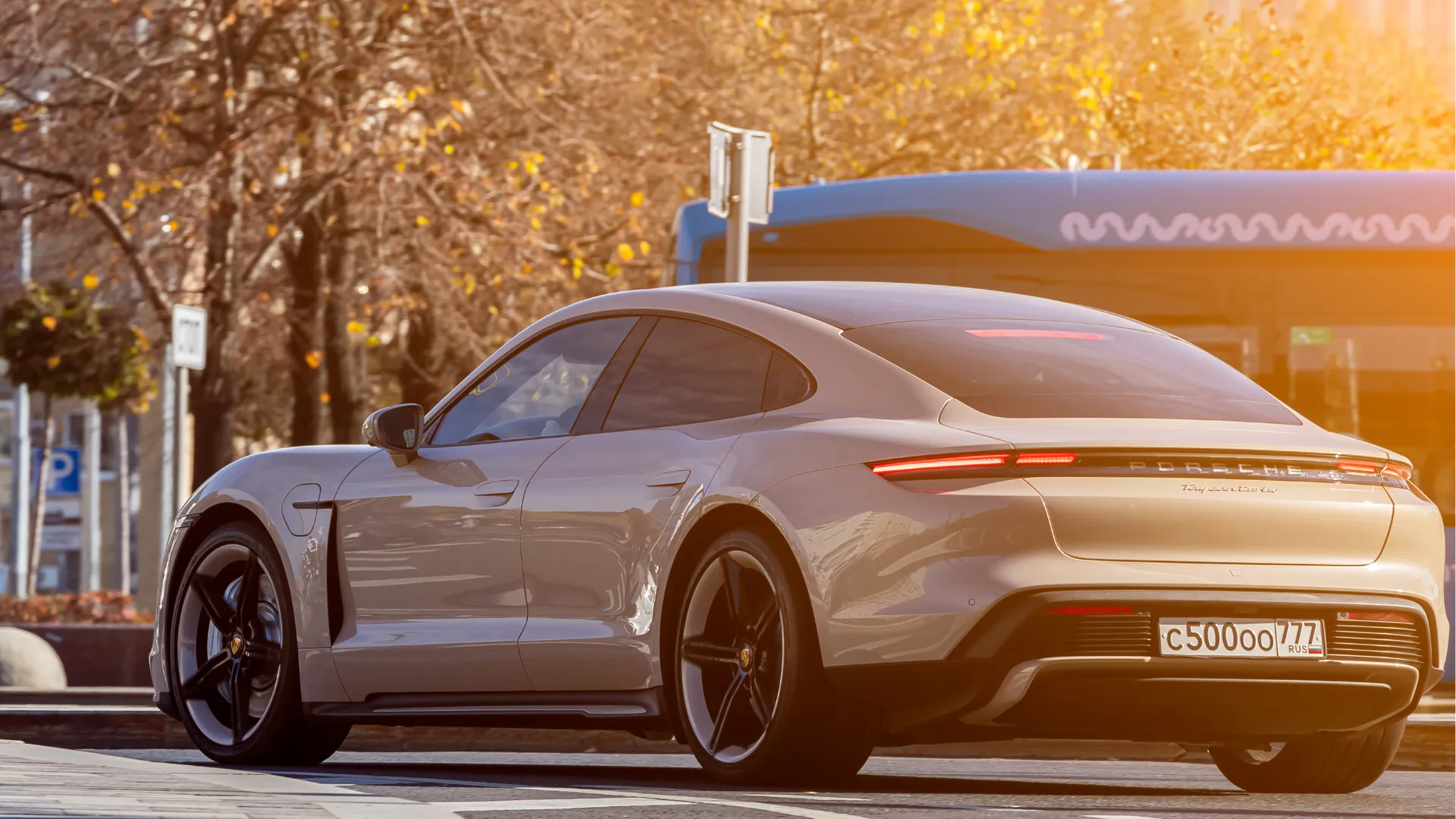
Porsche and other Western brands long enjoyed growth in China as they had a reputation for their engineered combustion cars. However, companies like Xiaomi, BYD, and Nio have recently redefined the script with their advanced software and battery technology.
Chinese automakers are already outperforming their Western rivals in appealing to the country’s middle-class drivers. Now they are targeting wealthy customers who want personalised luxury in their cars.
Xiaomi started a new service to customise its SU7 Ultra racer electric sedans with special trims and custom paint, features that will add at least 100,000 yuan to its price.
Xiaomi was originally known for its smartphones, quickly gaining fame in the EV market. It is now targeting consumers who might choose a high-end European brand. Meanwhile, the German luxury carmaker is looking to increase its sales of custom-built 911 sports cars in China.
Porsche and other Western brands long enjoyed growth in China as they had a reputation for their engineered combustion cars. However, companies like Xiaomi, BYD, and Nio have recently redefined the script with their advanced software and battery technology. After capturing the market for affordable EVs, they are now focusing on rich customers.
The Xiaomi SU7 Ultra’s price is below 918,000 yuan, but its design is similar to that of the Porsche EV model. Buyers who want to customise their SU7 Ultra must pay at least 100,000 yuan for upgrades such as 24-carat gold bonnet badges and forged wheel hubs in four colours.
By offering pricey customisation options, Xiaomi is following the lucrative trend adopted by brands like Ferrari, Bentley, and Lamborghini, which have offered their super-rich customers to spend extra money on customising their cars for years.
Porsche reports that more than 90% of buyers choose at least one personalized feature from its Exclusive Manufaktur division, which adds tens of thousands of dollars to the purchase cost. Custom paint is among the most popular. Customers are ready to pay around US$13,000 to choose from over 190 colors, or want to match the car to the unique color of items like a lipstick or a sports jersey. Porsche’s production chief, Albrecht Reimold, stated that their customers want their interiors and exteriors tailored to their preferences.
He added that custom models tend to retain their value better over time, which is why buyers are willing to spend a lot of money on them, unless the customer wants to customize their Ferrari in extravagant colors or a look that is too extreme for most tastes. Weak resale value has reduced demand for the Taycan.
Porsche plans to expand its customization options and enhance its in-car technology and features in China after it saw its sales volume drop sharply. The bespoke model program is currently limited by manpower and space at its Exclusive Manufaktur headquarters in Zuffenhausen, Germany.
The Exclusive Manufaktur business brings in around €5.6 billion (US$7.6 billion) in sales and up to €2.5 billion in profit, according to estimates by Citi analyst Harald Hendrikse.
The analyst noted that Xiaomi’s strategy might not attract every Porsche customer, suggesting that Xiaomi is competing more directly with brands like Audi, BMW, or Mercedes. He also warned that selling more add-ons does not always guarantee an increase in business sales. He adds that the best-case scenario is that it will cause a 1 to 2 percent increase in global income.
Xiaomi is stepping into the territory of Western premium brands. The company’s purple customization option, which takes over 50 hours to apply, includes hand polishing and, according to Lei Jun, is on par with finishes from Rolls-Royce or Bentley. He adds that he wants more people to experience the kind of service that comes with buying luxury cars.
It still remains to be seen whether the Chinese brand can capture the market that brands like Porsche dominate. It depends on its ability to balance innovation, craftsmanship, and brand prestige to win over the country’s wealthiest consumers.