 PEARSON PLC ORD 25P PSON.L
 DIAGEO PLC ORD 28 101/108P DGE.L
 RECKITT BENCKISER GROUP PLC ORD RKT.L
 LLOYDS BANKING GROUP PLC ORD 10 LLOY.L
 MELROSE INDUSTRIES PLC ORD GBP0 MRO.L
 FRESNILLO PLC ORD USD0.50 FRES.L
 NATWEST GROUP PLC ORD 107.69P NWG.L
 WEIR PLC ORD 12.5P WEIR.L
 STANDARD CHARTERED PLC ORD USD0 STAN.L
 ENDEAVOUR MINING PLC ORD USD0.0 EDV.L
 OCADO GROUP PLC ORD 2P OCDO.L
 ANGLO AMERICAN PLC ORD USD0.623 AAL.L
 BAE SYSTEMS PLC ORD 2.5P BA.L
 VODAFONE GROUP PLC ORD USD0.20 VOD.L
 HSBC HOLDINGS PLC ORD $0.50 (UK HSBA.L
 GLENCORE PLC ORD USD0.01 GLEN.L
 UNITE GROUP PLC ORD 25P UTG.L
 CRODA INTERNATIONAL PLC ORD 10. CRDA.L
 KINGFISHER PLC ORD 15 5/7P KGF.L
 TAYLOR WIMPEY PLC ORD 1P TW.L
Although Apple remains one of the world’s most profitable technology businesses, investors have become increasingly impatient over the company’s comparatively cautious AI strategy.
As the global artificial intelligence race intensifies, Apple is dramatically reshaping its spending priorities, pushing research and development investment above 10% of sales for the first time in decades. The move reflects a growing urgency within the Silicon Valley giant to defend its position in an industry increasingly defined by generative AI, intelligent devices and next-generation computing experiences.
The company’s latest financial disclosures reveal that Apple’s R&D expenditure climbed to 10.3% of quarterly revenue, a notable jump from previous years and significantly ahead of its historic spending pattern. Analysts say the increase highlights a strategic pivot as Apple attempts to close the perception gap between itself and rivals such as Microsoft, Google and Meta, all of which have aggressively expanded AI investment since the emergence of generative AI technologies.
Although Apple remains one of the world’s most profitable technology businesses, investors have become increasingly impatient over the company’s comparatively cautious AI strategy. While competitors unveiled large language models, AI-powered search systems and enterprise tools at rapid pace, it largely focused on incremental software enhancements and privacy-led machine learning features. That restraint is now beginning to change.
The sharp rise in R&D spending suggests Apple is accelerating efforts across multiple fronts, including AI model development, advanced silicon design, wearable computing and intelligent device ecosystems. Industry analysts believe the company is investing heavily in talent acquisition, AI experimentation and on-device intelligence systems designed to preserve it’s longstanding emphasis on privacy and user security.
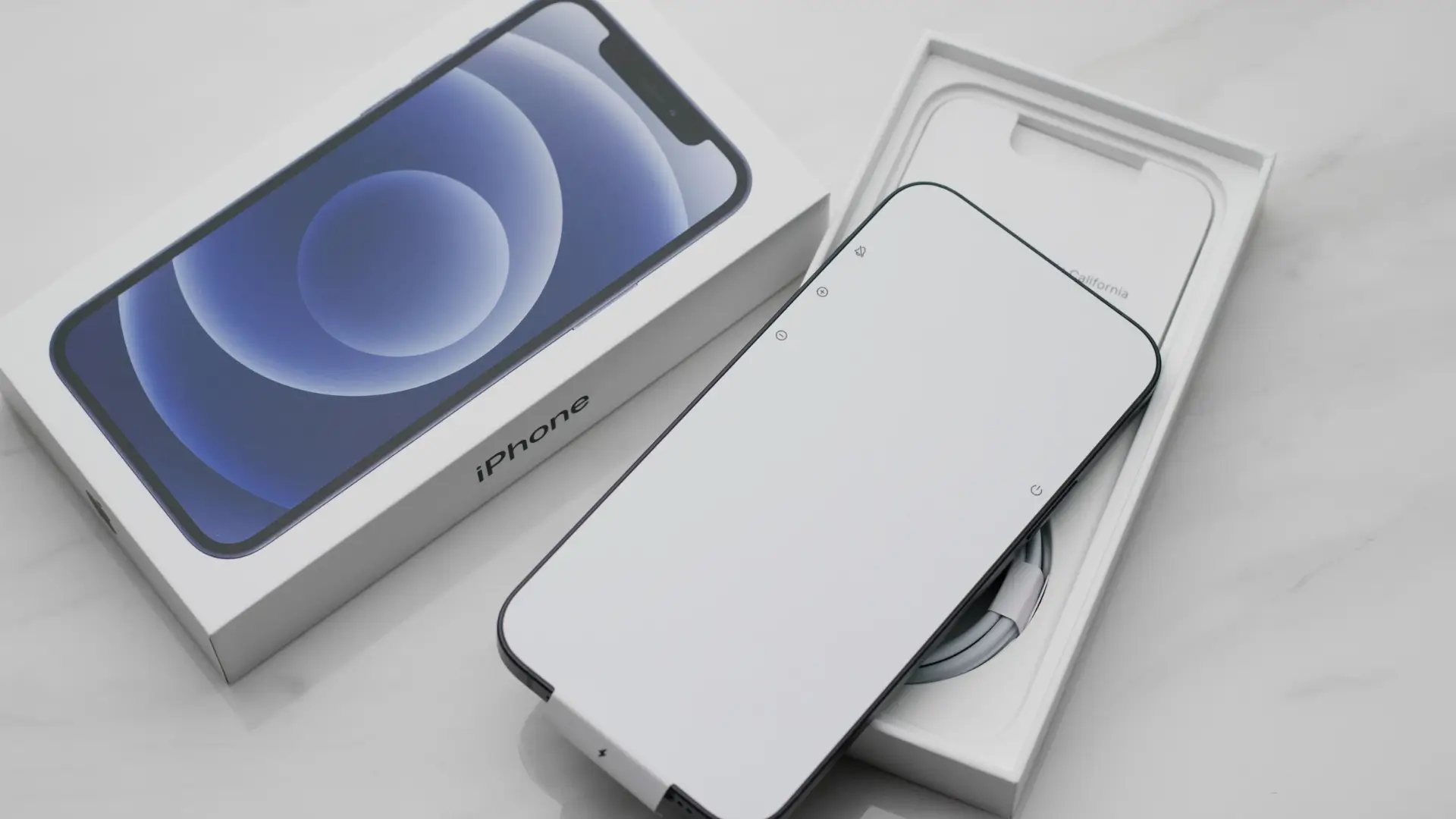
Importantly, the iPhone maker’s approach differs markedly from many of its rivals. Unlike cloud-focused technology firms that are spending vast sums on AI data centres and infrastructure, the MacBook-maker appears to be concentrating on integrating artificial intelligence directly into consumer hardware. The company’s strategy centres on making AI a seamless feature of the iPhone, Mac, iPad and future wearable devices rather than positioning it as a standalone cloud service.
That philosophy could become a defining advantage. Analysts increasingly believe the next phase of AI adoption may shift from large centralised systems towards personal, on-device intelligence capable of operating faster, more privately and with lower energy requirements. The company’s deep control over hardware, software and custom chips places it in a unique position to capitalise on that transition.
The timing of this spending surge is equally significant because it coincides with a leadership transition at Apple. Long-serving chief executive Tim Cook is preparing to hand over leadership responsibilities to hardware chief John Ternus later this year. Investors are watching closely to see whether the new leadership era will usher in a more aggressive innovation cycle, particularly in AI-enabled products and entirely new device categories.
Recent reports suggest the company is developing AI-focused wearables, including smart glasses and enhanced Siri-powered accessories. Meanwhile, anticipation continues to build around a more advanced version of Siri, which has faced criticism for lagging behind conversational AI platforms developed by rivals. The company is expected to unveil further details about its AI roadmap during its upcoming developer conference, a crucial moment for reassuring investors that the tech giant remains competitive in the next era of computing.
Financial markets have responded positively to it’s renewed momentum. Strong iPhone demand, resilient services revenue and better-than-expected quarterly growth have helped lift the company’s valuation even as concerns persist over supply-chain pressures and rising semiconductor costs. Apple’s recent earnings guidance also exceeded Wall Street expectations, reinforcing confidence that the business retains enormous commercial strength despite intensifying technological competition.
Yet the central question remains whether Apple’s relatively measured AI strategy can compete against rivals spending hundreds of billions of dollars on infrastructure and large-scale AI ecosystems. Some analysts argue Apple risks falling behind if it remains too dependent on partnerships for cloud-based intelligence capabilities. Others believe its disciplined approach could ultimately prove more sustainable and commercially effective.