 PEARSON PLC ORD 25P PSON.L
 DIAGEO PLC ORD 28 101/108P DGE.L
 RECKITT BENCKISER GROUP PLC ORD RKT.L
 LLOYDS BANKING GROUP PLC ORD 10 LLOY.L
 MELROSE INDUSTRIES PLC ORD GBP0 MRO.L
 FRESNILLO PLC ORD USD0.50 FRES.L
 NATWEST GROUP PLC ORD 107.69P NWG.L
 WEIR PLC ORD 12.5P WEIR.L
 STANDARD CHARTERED PLC ORD USD0 STAN.L
 ENDEAVOUR MINING PLC ORD USD0.0 EDV.L
 OCADO GROUP PLC ORD 2P OCDO.L
 ANGLO AMERICAN PLC ORD USD0.623 AAL.L
 BAE SYSTEMS PLC ORD 2.5P BA.L
 VODAFONE GROUP PLC ORD USD0.20 VOD.L
 HSBC HOLDINGS PLC ORD $0.50 (UK HSBA.L
 GLENCORE PLC ORD USD0.01 GLEN.L
 UNITE GROUP PLC ORD 25P UTG.L
 CRODA INTERNATIONAL PLC ORD 10. CRDA.L
 KINGFISHER PLC ORD 15 5/7P KGF.L
 TAYLOR WIMPEY PLC ORD 1P TW.L
At London’s Heathrow Airport, operations were somewhat less disrupted. However, officials still warned travellers to expect possible delays and strongly recommended that passengers check their flight status before heading to the airport.
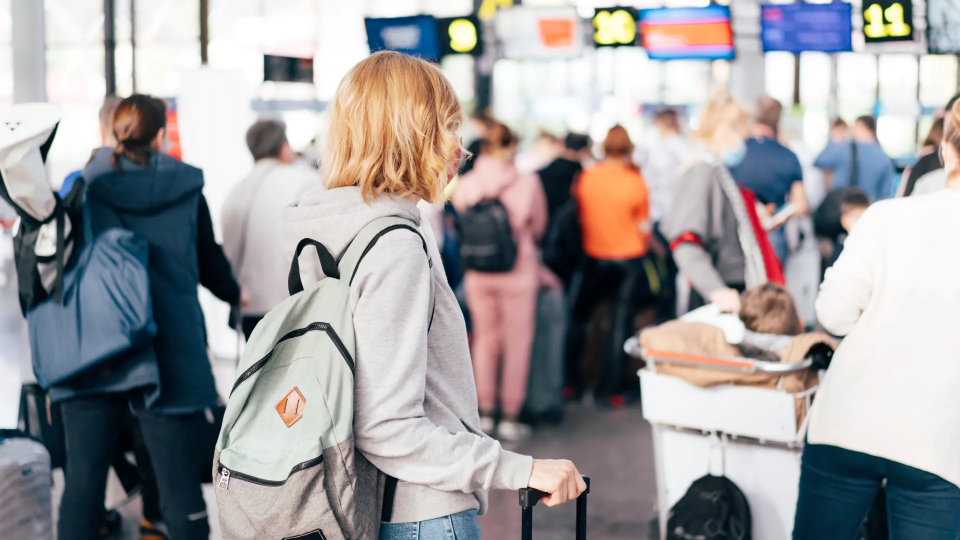
This past weekend, many of Europe’s busiest airports, including London’s Heathrow, Berlin Brandenburg, and Brussels Airport, experienced significant disruptions in their operations after a cyberattack on a critical airline check-in system.
As the aviation industry relies heavily on complex digital systems for everything from passenger check-in to baggage handling, such cyberattacks pose a significant threat to the aviation sector. As airlines and airports expand their use of technology to streamline operations and enhance the passenger experience, any disruption to these critical digital platforms can have widespread and immediate consequences.
The disruption started late Friday when Collins Aerospace, developer of the widely used MUSE platform, was hit by a cyberattack. The MUSE system plays a critical role in airline operations worldwide. It handles essential functions in an airport, such as passenger check-in, boarding procedures, and baggage handling.
When the attack made the platform inoperable, automated check-in and baggage drop machines at several major airports were suddenly out of service. This forced airport staff to transition back to time-consuming manual processes, resulting in significantly longer wait times, congested lines, and an overall slowdown in airport operations as employees struggled to keep up with the volume of travelers.
Brussels Airport was among the hardest hit, reporting ten flight cancellations and delays of over an hour for seventeen additional flights. In an effort to ease congestion and reduce pressure on staff, airport authorities took the step of asking airlines to cancel half of all scheduled departures.
At London’s Heathrow Airport, operations were somewhat less disrupted, but officials still warned travelers to expect possible delays and strongly recommended that passengers check their flight status before heading to the airport. Berlin Brandenburg Airport also experienced noticeably longer wait times at check-in and security, prompting airport officials to advise passengers to allow extra time and plan their journeys carefully.
In response to the widespread disruptions, airlines asked advisories to help passengers navigate the situation as smoothly as possible. Air India, for instance, specifically advised travelers flying from India to London to complete their online check-in before arriving at Heathrow, aiming to reduce bottlenecks at the airport. Meanwhile, airline and airport ground staff worked tirelessly behind the scenes to keep operations running smoothly and minimize inconvenience for travelers.
To further manage passenger flow and prevent overcrowding in terminals, airports recommended that travelers not arrive excessively early, advising no more than three hours in advance for long-haul flights and two hours for short-haul departures. These measures were intended to streamline the check-in process and maintain a manageable level of congestion during the ongoing technical difficulties.
This incident is not an isolated event, but rather part of a rapidly escalating pattern of cyber threats facing the aviation industry. A recent report published by the French defense firm Thales SA revealed a 600% increase in ransomware attacks targeting the aviation sector over the past year. These attacks have not only disrupted airlines and airport operations but have also compromised critical navigation systems and aviation services.
As airports and airlines work to restore normal operations after the latest cyberattack, the incident shows that there is an urgent need for resilient cybersecurity strategies. The disruption serves as a reminder that as the aviation industry continues to adopt advanced digital technologies to increase efficiency and passenger experience, it must also prioritize security protocols and proactive risk management. Protecting the global air transport network from cyber threats is now a fundamental requirement for maintaining safe and reliable operations in the modern era.