 PEARSON PLC ORD 25P PSON.L
 DIAGEO PLC ORD 28 101/108P DGE.L
 RECKITT BENCKISER GROUP PLC ORD RKT.L
 LLOYDS BANKING GROUP PLC ORD 10 LLOY.L
 MELROSE INDUSTRIES PLC ORD GBP0 MRO.L
 FRESNILLO PLC ORD USD0.50 FRES.L
 NATWEST GROUP PLC ORD 107.69P NWG.L
 WEIR PLC ORD 12.5P WEIR.L
 STANDARD CHARTERED PLC ORD USD0 STAN.L
 ENDEAVOUR MINING PLC ORD USD0.0 EDV.L
 OCADO GROUP PLC ORD 2P OCDO.L
 ANGLO AMERICAN PLC ORD USD0.623 AAL.L
 BAE SYSTEMS PLC ORD 2.5P BA.L
 VODAFONE GROUP PLC ORD USD0.20 VOD.L
 HSBC HOLDINGS PLC ORD $0.50 (UK HSBA.L
 GLENCORE PLC ORD USD0.01 GLEN.L
 UNITE GROUP PLC ORD 25P UTG.L
 CRODA INTERNATIONAL PLC ORD 10. CRDA.L
 KINGFISHER PLC ORD 15 5/7P KGF.L
 TAYLOR WIMPEY PLC ORD 1P TW.L
The decision comes after Harley-Davidson previously shifted production of several Revolution Max-powered models to Thailand as part of broader manufacturing optimisation efforts.
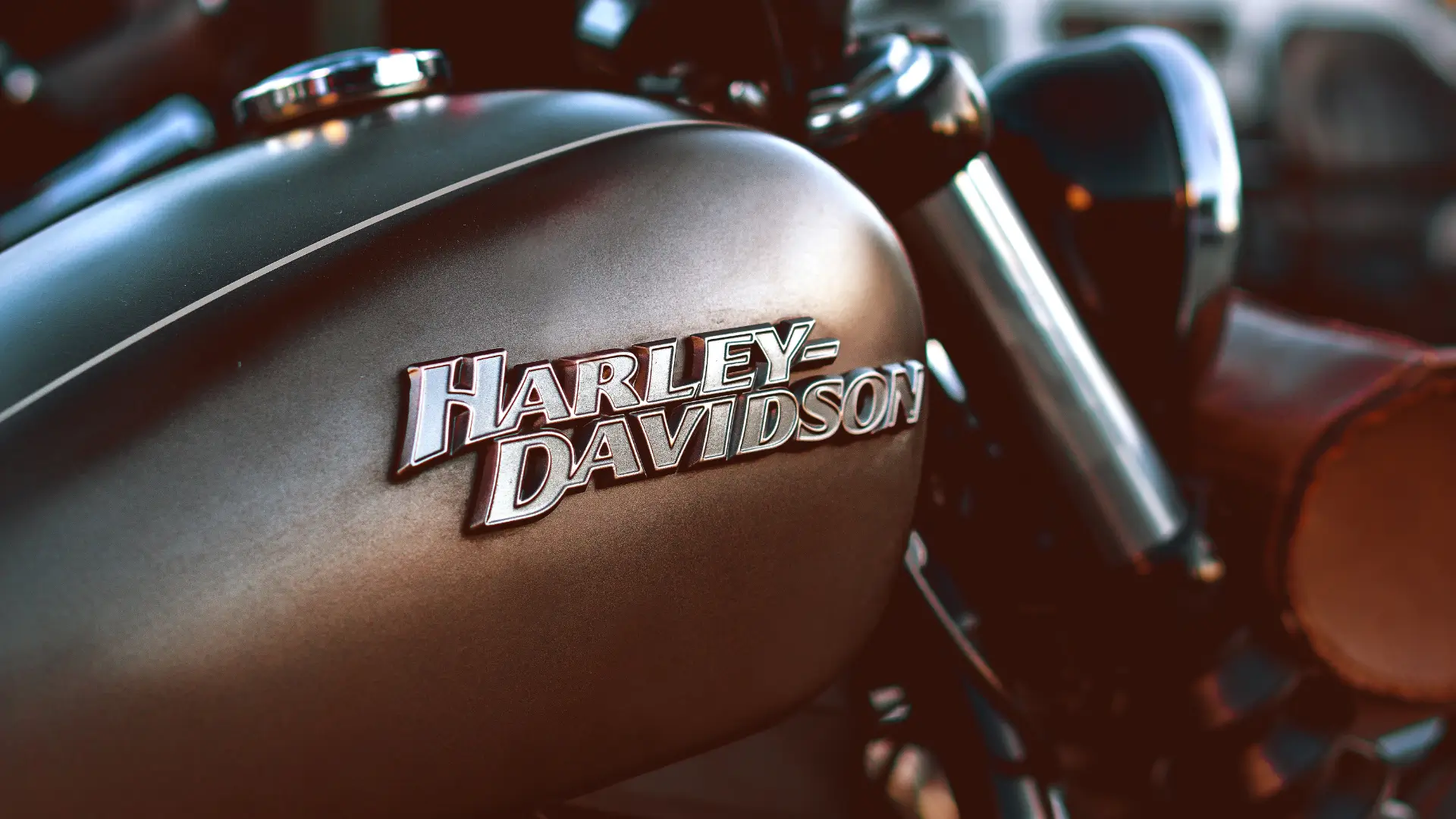
Harley-Davidson has long been more than a motorcycle manufacturer. For many riders, investors and enthusiasts, it represents a symbol of American industrial heritage, craftsmanship and engineering excellence. That is why the company’s latest decision to return production of its Revolution Max platform for the North American market to the United States carries significance far beyond the factory floor. It marks a strategic shift that blends manufacturing, brand identity and long-term business priorities into a single move.
The Revolution Max engine platform powers some of Harley-Davidson’s most modern and technically advanced motorcycles, including the Sportster S, Nightster and Pan America 1250. These models have helped the company reach new customer segments by combining performance-oriented engineering with the iconic Harley-Davidson brand. The platform represented a major departure from the company’s traditional air-cooled engines and has become a central component of its future product strategy.
The decision comes after Harley-Davidson previously shifted production of several Revolution Max-powered models to Thailand as part of broader manufacturing optimisation efforts. At the time, the move was designed to improve production efficiency and support global operations. However, the company has now announced that production for North America will once again be based in the United States, signalling a renewed emphasis on domestic manufacturing.
From a business perspective, the move aligns closely with Harley-Davidson’s recently unveiled “Back to the Bricks” strategy. Introduced in 2026, the initiative aims to restore growth, strengthen dealer profitability and reinforce the company’s American manufacturing heritage. Bringing Revolution Max production back to domestic facilities is one of the most visible demonstrations of that strategy in action.
The production transition is expected to return key manufacturing activities such as machining, powertrain assembly, painting and final vehicle assembly to facilities in Pennsylvania and Wisconsin. This shift is expected to support additional manufacturing employment while strengthening the company’s domestic production footprint. Harley-Davidson has indicated that the transition should be completed ahead of the 2028 model year production cycle.
For investors, the announcement highlights a broader trend that has gained momentum across global manufacturing industries. Companies are increasingly reassessing supply chains, production locations and geopolitical risks. Rising trade uncertainties, evolving tariff structures and the desire for greater operational resilience have encouraged many manufacturers to bring critical production closer to their core markets. Harley-Davidson’s decision reflects this wider movement towards localisation and supply chain security.
The move also carries considerable branding value. Harley-Davidson’s identity has always been closely linked to American manufacturing. While global production networks have become common throughout the automotive and motorcycle industries, many Harley customers continue to associate the brand with products built on American soil. By returning Revolution Max production to the United States, the company reinforces a message that resonates strongly with its traditional customer base while enhancing the authenticity of its brand story.
At the same time, the decision should not be viewed as a rejection of Harley-Davidson’s international ambitions. The company remains a global business serving riders across multiple continents. Instead, the move appears to be a targeted effort to align production with key markets while improving operational efficiency and supporting future growth objectives. The North American market remains Harley-Davidson’s most important revenue driver, making domestic production a logical strategic choice.
The Revolution Max platform itself remains central to Harley-Davidson’s future. Industry observers expect the company to expand its Revolution Max-powered portfolio in the coming years as it seeks to attract younger riders and compete more effectively in performance, adventure and mid-sized motorcycle segments. Returning production to the United States may therefore represent not only a manufacturing decision but also a vote of confidence in the long-term importance of the platform.