 PEARSON PLC ORD 25P PSON.L
 DIAGEO PLC ORD 28 101/108P DGE.L
 RECKITT BENCKISER GROUP PLC ORD RKT.L
 LLOYDS BANKING GROUP PLC ORD 10 LLOY.L
 MELROSE INDUSTRIES PLC ORD GBP0 MRO.L
 FRESNILLO PLC ORD USD0.50 FRES.L
 NATWEST GROUP PLC ORD 107.69P NWG.L
 WEIR PLC ORD 12.5P WEIR.L
 STANDARD CHARTERED PLC ORD USD0 STAN.L
 ENDEAVOUR MINING PLC ORD USD0.0 EDV.L
 OCADO GROUP PLC ORD 2P OCDO.L
 ANGLO AMERICAN PLC ORD USD0.623 AAL.L
 BAE SYSTEMS PLC ORD 2.5P BA.L
 VODAFONE GROUP PLC ORD USD0.20 VOD.L
 HSBC HOLDINGS PLC ORD $0.50 (UK HSBA.L
 GLENCORE PLC ORD USD0.01 GLEN.L
 UNITE GROUP PLC ORD 25P UTG.L
 CRODA INTERNATIONAL PLC ORD 10. CRDA.L
 KINGFISHER PLC ORD 15 5/7P KGF.L
 TAYLOR WIMPEY PLC ORD 1P TW.L
Brown-Forman, founded in 1870 and long controlled by the Brown family, occupies a distinctive position in the global spirits hierarchy, balancing heritage craftsmanship with international scale.
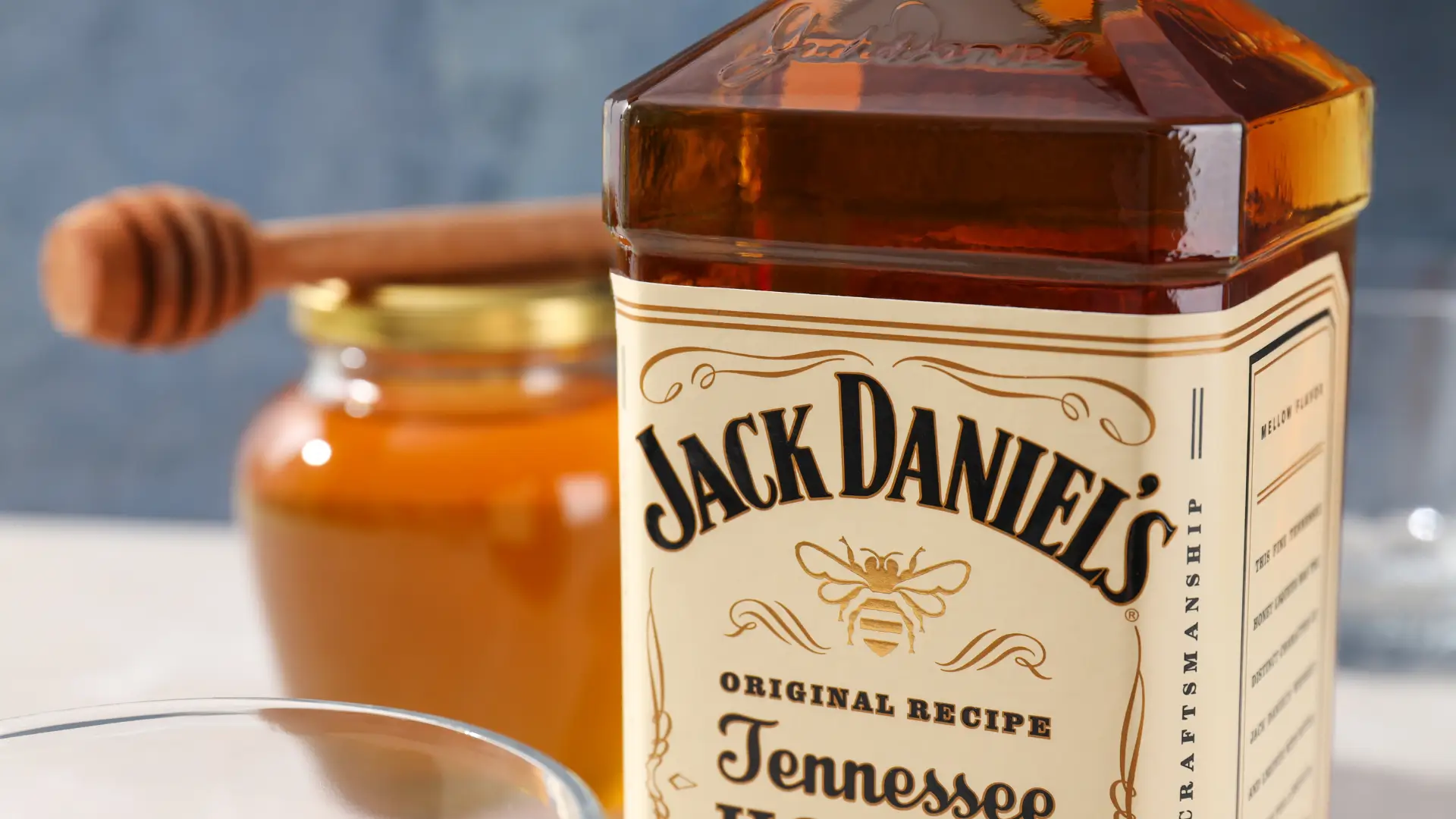
In a move that has sent ripples across the global spirits industry, the privately held American distiller Sazerac has reportedly tabled a $15 billion offer to acquire Brown-Forman, the historic producer behind the iconic Jack Daniel’s whiskey. The bid, pitched at approximately $32 per share, represents not merely a financial proposition but a strategic intervention in an already evolving consolidation narrative within the premium alcohol market.
Brown-Forman, founded in 1870 and long controlled by the Brown family, occupies a distinctive position in the global spirits hierarchy, balancing heritage craftsmanship with international scale. Its portfolio extends beyond Jack Daniel’s to include premium labels such as Woodford Reserve and Herradura tequila, positioning it as a vital player in both American whiskey and diversified spirits categories. The company’s strong brand equity, coupled with consistent global demand for premiumisation, has made it an attractive target at a time when industry dynamics are shifting rapidly.
Sazerac’s approach, however, arrives amid a competing strategic dialogue. French drinks giant Pernod Ricard has been engaged in parallel discussions with Brown-Forman regarding a potential merger, widely viewed by analysts as a “merger of equals”. This context transforms the bid into more than a straightforward acquisition attempt; it effectively introduces the prospect of a bidding contest that could reshape competitive balances across the sector.
At the core of this corporate manoeuvring lies a broader structural reality. The global alcohol industry is confronting a convergence of pressures, including supply-chain disruptions, tariff uncertainties, and a notable moderation in post-pandemic consumption trends. Younger consumers, particularly in developed markets, are demonstrating a growing preference for low-alcohol or alcohol-free alternatives, thereby challenging traditional growth assumptions. In such an environment, consolidation offers a pathway to cost efficiencies, enhanced distribution leverage, and portfolio diversification.
From a strategic standpoint, Sazerac’s bid reflects both ambition and familiarity. The company has steadily expanded its footprint over the past decade through acquisitions, assembling a portfolio that includes brands such as Buffalo Trace and Fireball. Its historical ties with Brown-Forman, including past transactions involving labels like Southern Comfort, lend a degree of operational synergy to the proposal. This familiarity may translate into integration efficiencies, particularly within the United States, where both firms maintain deep distribution networks and strong brand recognition.
Yet the transaction faces considerable structural hurdles. The Brown family retains a controlling voting stake in Brown-Forman, a factor that has historically insulated the company from takeover attempts. Market reactions appear cautious, with the company’s share price trading below the offer level, signalling investor scepticism regarding the likelihood of a successful deal. This governance structure introduces a layer of complexity absent in typical public company acquisitions, as any agreement must align not only with financial valuation but also with familial legacy considerations.
Comparatively, Pernod Ricard’s alternative proposition may hold a different appeal. Analysts suggest that a share-based merger could enable the Brown family to retain influence within the combined entity, thereby preserving continuity while unlocking global scale advantages. Such a combination would also create a formidable competitor to Diageo, the current leader in the global spirits market, particularly by strengthening market share in the United States.
The implications of Sazerac’s bid extend beyond the immediate transaction. Should the deal proceed, it would mark one of the largest acquisitions in the history of the spirits industry, consolidating significant portions of the American whiskey segment under a single privately controlled entity. Analysts have already flagged potential regulatory scrutiny, given the combined entity’s prospective dominance in key categories.
Equally, the bid underscores a broader shift in industry power dynamics. Traditionally, global spirits leadership has been dominated by publicly listed multinationals with extensive international distribution capabilities. Sazerac’s emergence as a serious acquirer signals the growing influence of privately held groups, particularly those with deep roots in heritage categories such as bourbon. This evolution reflects a nuanced interplay between scale, brand authenticity, and strategic agility.