 PEARSON PLC ORD 25P PSON.L
 DIAGEO PLC ORD 28 101/108P DGE.L
 RECKITT BENCKISER GROUP PLC ORD RKT.L
 LLOYDS BANKING GROUP PLC ORD 10 LLOY.L
 MELROSE INDUSTRIES PLC ORD GBP0 MRO.L
 FRES.L
 NATWEST GROUP PLC ORD 107.69P NWG.L
 WEIR GROUP PLC ORD 12.5P WEIR.L
 STANDARD CHARTERED PLC ORD USD0 STAN.L
 ENDEAVOUR MINING PLC ORD USD0.0 EDV.L
 OCDO.L
 ANGLO AMERICAN PLC ORD USD0.623 AAL.L
 BAE SYSTEMS PLC ORD 2.5P BA.L
 VODAFONE GROUP PLC ORD USD0.20 VOD.L
 HSBC HOLDINGS PLC ORD $0.50 (UK HSBA.L
 GLENCORE PLC ORD USD0.01 GLEN.L
 UNITE GROUP PLC ORD 25P UTG.L
 CRDA.L
 KINGFISHER PLC ORD 15 5/7P KGF.L
 TAYLOR WIMPEY PLC ORD 1P TW.L
One of the key reasons is that airlines have not yet fully recovered the costs they incurred during the fuel-price surge.
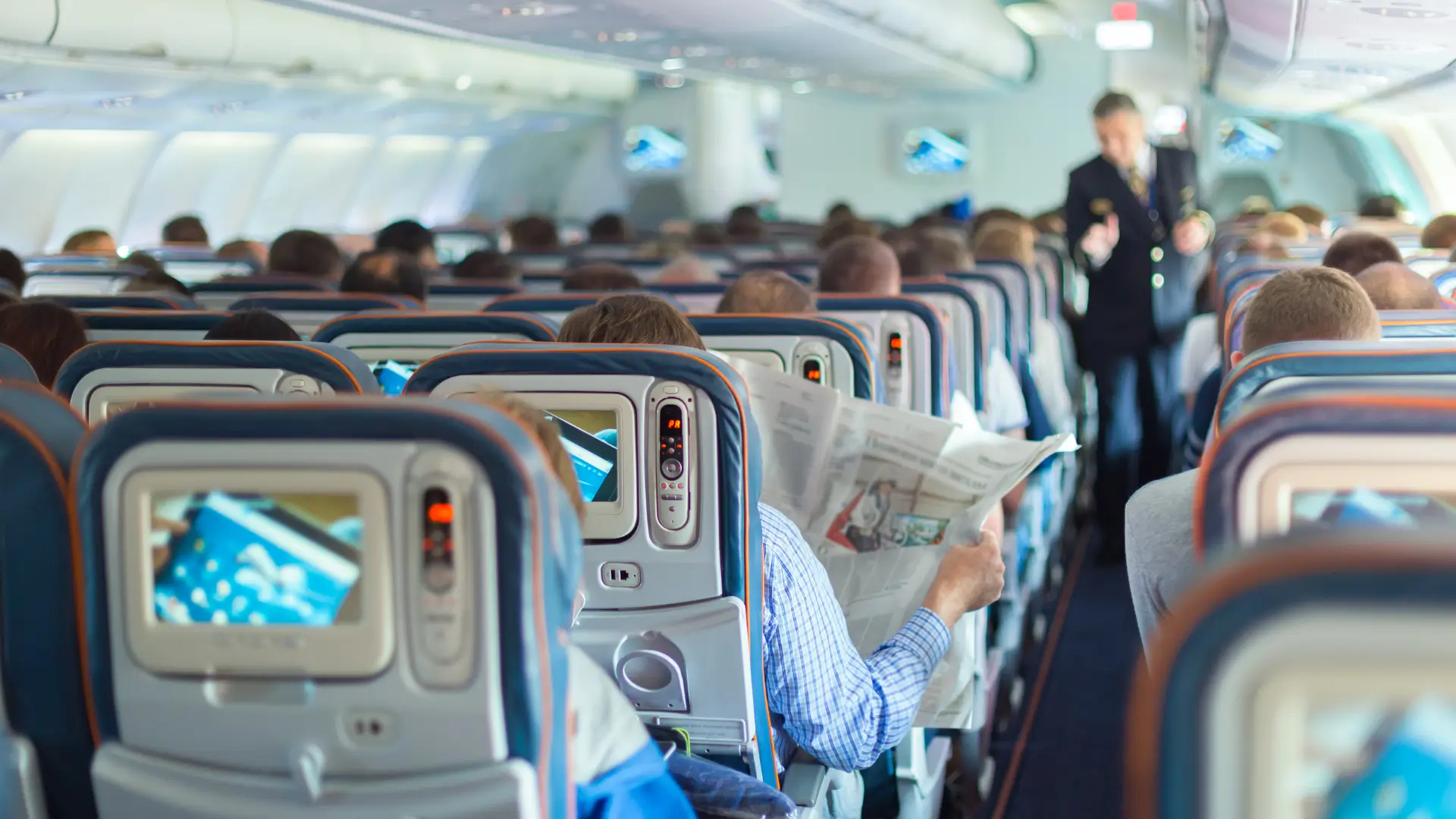
The prospect of lower fuel costs following the interim U.S.-Iran peace agreement has sparked hopes that travellers might finally see some relief from the sharp rise in airline ticket prices witnessed throughout 2026. Yet industry analysts and airline executives suggest that passengers should not expect cheaper fares any time soon. While the agreement has eased pressure on global energy markets and driven jet fuel prices lower, airlines appear determined to use the savings to rebuild profitability rather than immediately pass them on to consumers.
The aviation sector has spent much of the year grappling with one of its most severe cost shocks in recent memory. The conflict involving Iran and the disruption of oil flows through the Strait of Hormuz sent fuel prices soaring, forcing carriers across North America, Europe and Asia to raise fares, impose fuel surcharges and trim capacity. Industry forecasts were repeatedly downgraded as airlines struggled to absorb the additional expense. The International Air Transport Association recently cut its 2026 profit outlook substantially, warning that fuel volatility remains one of the industry’s greatest risks.
The latest diplomatic breakthrough has altered the outlook for fuel markets. U.S. jet fuel prices have fallen sharply from their spring peak, creating the potential for billions of dollars in savings across the airline industry if current levels are sustained. Analysts estimate that the reduction in fuel costs could save American carriers alone more than $40 billion annually. However, lower operating costs do not automatically translate into cheaper tickets.
One of the key reasons is that airlines have not yet fully recovered the costs they incurred during the fuel-price surge. Throughout the crisis, fare increases lagged behind the pace of rising fuel expenses. Many carriers managed to recover only a fraction of their additional costs through higher ticket prices and ancillary charges. Airline executives argue that the current period of lower fuel costs offers an opportunity to restore margins that were severely damaged earlier in the year. Several major U.S. airlines have indicated they are still working towards recovering the full impact of the fuel shock by the end of 2026.
Supply dynamics also favour airlines. Aircraft delivery delays continue to constrain capacity growth, while airport infrastructure limitations and ongoing fleet management challenges prevent rapid expansion. With available seats remaining relatively scarce on many routes, carriers retain considerable pricing power. As long as demand remains resilient, there is little commercial incentive for airlines to launch aggressive fare reductions or engage in widespread price competition.
The situation varies across regions. In North America, strong demand and limited capacity growth are expected to keep fares elevated. In Europe, some long-haul routes may experience modest price easing if fuel costs continue to decline, although analysts expect short-haul ticket prices to remain firm during the busy travel season. In Asia, the picture is more mixed. Certain carriers with weaker pricing power may be forced to pass some savings to passengers, while premium-focused airlines are likely to maintain current fare levels.
There are already isolated signs that some airlines are beginning to adjust pricing. Malaysia-based AirAsia X has reduced fares on selected routes following the fall in fuel costs and is reviewing ticket prices on a weekly basis. However, such moves remain the exception rather than the rule. Most airlines appear focused on strengthening balance sheets after months of financial strain.
Another factor supporting higher fares is the reduction in competition. Financial pressure from elevated fuel costs has weakened several low-cost operators, while some carriers have reduced frequencies on less profitable routes. The resulting decline in market competition reduces downward pressure on ticket prices and gives larger airlines greater flexibility in maintaining fare levels.